

Light Therapy for Acne – Science, Solutions, and Results
Struggling with stubborn breakouts can feel exhausting when every cream and toner promises a miracle. For many European women focused on wellness, finding a gentle acne solution is more than skin deep. Light therapy is a promising, non-invasive method that uses blue and red wavelengths to kill bacteria and calm inflammation right at home. This article highlights how light therapy targets acne without harsh chemicals, breaks down device choices, and explains best practices for safe, effective results in your daily routine.
Table of Contents
Key Takeaways
| Point | Details |
| Light Therapy Combats Acne | Utilizes blue and red light wavelengths to eliminate bacteria and reduce inflammation, providing a non-invasive acne treatment option. |
| Device Types Vary | Devices include handheld tools, facial masks, and professional panels, each offering specific benefits depending on treatment needs. |
| Consistency Is Key | Regular use of light therapy is critical, with recommended sessions of 10-15 minutes and maintenance over several weeks for best results. |
| Consult Professionals | It is important to consult dermatology experts before starting treatment, especially for severe acne or if sensitive skin is a concern. |
What Is Light Therapy for Acne?
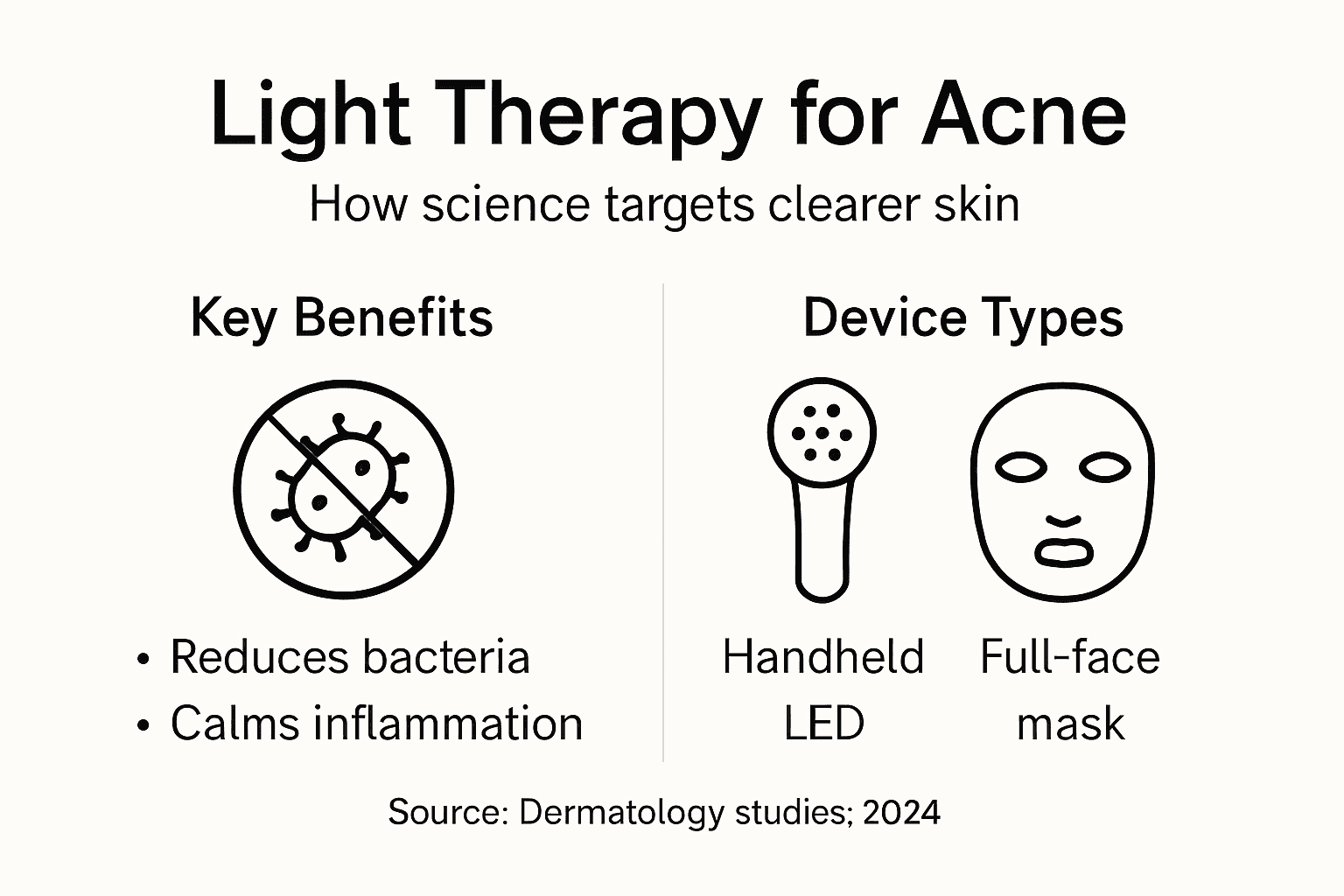
Light therapy represents an innovative, non-invasive skincare approach targeting acne through specialized light wavelengths. Unlike traditional treatments, this method uses specific colors of light to combat skin inflammation and bacterial growth directly at the source. Blue and red light wavelengths work synergistically to address multiple aspects of acne formation.
Light therapy operates through targeted mechanisms designed to interrupt the acne development cycle. Here’s how it works:
-
Blue Light: Kills acne-causing bacteria on skin surface
-
Red Light: Reduces inflammation and promotes healing
-
Penetrates Skin Layers: Targets problem areas without invasive procedures
Professional and at-home devices offer different intensities of treatment. While professional treatments utilize more powerful equipment, at-home devices provide convenient, gentler options for consistent skincare management. LED light therapy can be particularly effective when used regularly and combined with other skincare strategies.
The science behind light therapy is rooted in photobiomodulation - using specific light wavelengths to stimulate cellular processes. By targeting inflammation, bacterial growth, and skin repair mechanisms simultaneously, light therapy offers a comprehensive approach to managing acne without harsh chemical interventions.
Pro tip: Consistency is key with light therapy - aim for regular 10-15 minute sessions and track your skin’s progress over 4-6 weeks for optimal results.
Types of Light Therapy Devices for Acne
Light therapy devices for acne come in various forms, each offering unique approaches to targeting skin inflammation and bacterial growth. FDA-cleared blue light devices range from compact handheld tools to comprehensive facial masks, providing flexible treatment options for individuals struggling with persistent acne.
Light therapy devices can be categorized into several primary types:
-
Handheld Devices: Portable and convenient for targeted treatment
-
Facial Masks: Full-face coverage for comprehensive skin treatment
-
Professional Panels: High-intensity treatments performed in clinical settings
-
Combination Devices: Utilize both blue and red light wavelengths
Specialized light therapy technologies offer nuanced approaches to addressing acne. Blue light devices specifically target acne-causing bacteria by exciting porphyrins, which leads to bacterial destruction. Red light devices penetrate deeper skin layers, reducing inflammation and promoting healing processes.
The effectiveness of these devices varies based on wavelength, intensity, and consistent usage. Professional-grade equipment typically delivers more powerful treatments compared to at-home devices, but home-use tools can still provide meaningful improvements when used correctly and regularly.
Here’s a quick overview of light therapy device types and their primary benefits:
| Device Type | Treatment Coverage | Typical Use Setting | Primary Benefit |
| Handheld Device | Small/localized areas | Home use | Targeted spot treatment |
| Facial Mask | Entire face | Home use | Consistent full-face care |
| Professional Panel | Broad/body regions | Clinical setting | High-intensity therapy |
| Combo Device | Face or localized | Home & clinic | Dual-wavelength approach |
Pro tip: Invest in a device with both blue and red light capabilities for comprehensive acne management, and always follow manufacturer guidelines for optimal results.
How Light Therapy Targets Acne-Causing Factors
Bacterial destruction mechanisms represent the cornerstone of light therapy’s approach to combating acne. By targeting the fundamental factors that contribute to skin breakouts, these advanced treatments offer a sophisticated solution for managing persistent skin challenges.
Light therapy addresses acne through three primary mechanisms:
-
Bacterial Elimination: Destroying acne-causing bacteria
-
Sebum Reduction: Decreasing excessive oil production
-
Inflammation Control: Calming skin irritation and redness
The scientific process involves specific wavelengths interacting with skin cells. Blue light wavelengths excite bacterial porphyrins, creating reactive oxygen species that systematically destroy harmful bacteria. Red light penetrates deeper, reducing inflammation and promoting cellular healing, which helps minimize existing acne lesions and prevent future breakouts.
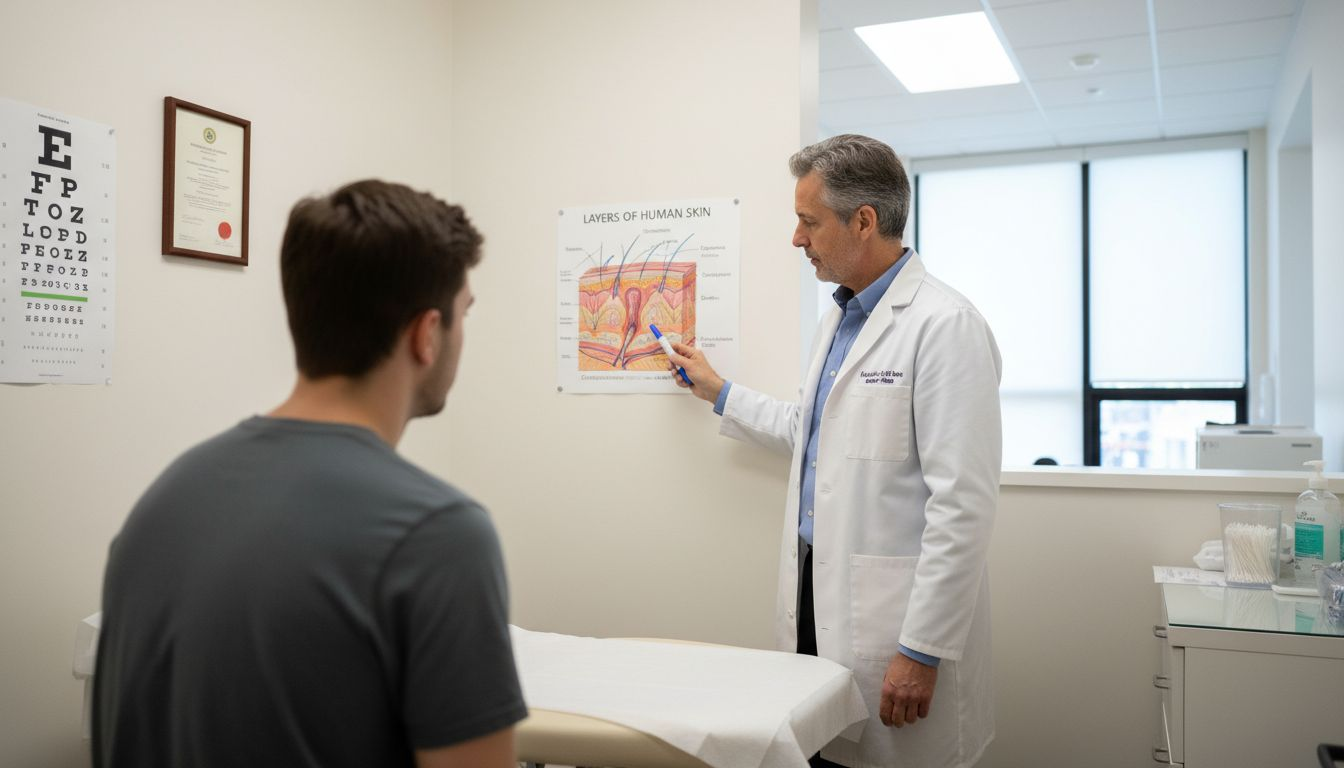
Photodynamic interactions work at the microscopic level to interrupt the acne development cycle. By modulating inflammatory mediators and targeting bacterial colonies, light therapy provides a non-invasive approach to skin management that goes beyond traditional topical treatments.
Pro tip: Combine light therapy with a consistent skincare routine for maximum effectiveness, and track your progress with monthly photographs to monitor improvements.
Efficacy and Limitations of Light-Based Solutions
Moderate clinical evidence suggests light therapy offers promising but nuanced results for acne management. While these treatments can reduce skin inflammation and bacterial growth, they are not a comprehensive standalone solution for severe skin conditions.
Light therapy effectiveness varies across different scenarios:
-
Mild Acne: Most responsive to treatment
-
Moderate Acne: Partial improvement possible
-
Severe Acne: Limited clinical effectiveness
-
Maintenance: Requires consistent, long-term application
The American Academy of Dermatology notes that multiple treatment sessions are typically required to achieve noticeable improvements. Most individuals experience gradual results, with significant changes often becoming apparent weeks after initial treatments. The effectiveness depends on individual skin characteristics, consistent usage, and integration with comprehensive skincare strategies.
Research indicates that while light therapy can be a valuable complementary approach, it should not replace traditional medical treatments. Patients with persistent or severe acne should consult dermatology professionals to develop a personalized treatment plan that may incorporate light therapy alongside other interventions.
This summary table outlines key factors affecting the effectiveness of light therapy for different acne severities:
| Acne Severity | Expected Improvement | Recommended Usage Frequency | Additional Treatments Needed |
| Mild | Noticeable reduction | 3-4 times weekly | Basic skincare regimen |
| Moderate | Partial improvement | 4-5 times weekly | Dermatologist consultation |
| Severe | Minimal change | Daily, under professional care | Prescription medication |
Pro tip: Track your skin’s response meticulously, photographing progress monthly and maintaining a detailed log to help your healthcare provider assess treatment effectiveness.
Risks, Side Effects, and Safety Guidelines
Dermatologists recommend caution when approaching light therapy for acne treatment. Understanding potential risks and implementing proper safety protocols is crucial for a safe and effective skincare experience.
Potential side effects of light therapy include:
-
Temporary Redness: Mild skin irritation post-treatment
-
Swelling: Short-term inflammatory response
-
Stinging Sensation: Mild discomfort during or after treatment
-
Rare Complications: Potential burns or pigmentation changes
Safety guidelines are critical for minimizing risks. Professional-grade devices typically have more stringent safety features compared to at-home treatments. Users should always wear protective eyewear, follow manufacturer instructions precisely, and avoid overexposure to light wavelengths.
Light therapy safety protocols emphasize the importance of professional guidance. Individuals with sensitive skin, pre-existing skin conditions, or those taking photosensitive medications should consult a dermatologist before starting any light therapy regimen. Some skin types may be more prone to adverse reactions, making medical supervision essential.
Pro tip: Always perform a patch test and start with shorter, less intense treatment sessions to assess your skin’s individual response and tolerance.
Best Practices for At-Home LED Acne Treatments
LED device recommendations require careful consideration to maximize potential skincare benefits. Understanding the nuanced approach to at-home light therapy can significantly improve treatment outcomes and minimize potential risks.
Key treatment guidelines for effective at-home LED therapy include:
-
Consistent Usage: 30-60 minutes daily
-
Device Selection: Choose FDA-cleared devices
-
Protective Measures: Always wear protective eyewear
-
Treatment Frequency: Multiple sessions per week recommended
-
Complementary Treatment: Combine with existing skincare routine
Professional dermatologists emphasize the importance of managing expectations with at-home devices. LED light therapy protocols suggest that home treatments typically produce slower, less dramatic results compared to professional interventions. Users should approach treatment with patience, understanding that visible improvements may take several weeks of consistent application.
Optimal results require a holistic approach. Individuals should maintain clean skin before treatments, follow manufacturer instructions precisely, and track progress through periodic photographs. Consulting a dermatologist before starting any light therapy regimen helps ensure the treatment aligns with individual skin characteristics and potential sensitivities.
Pro tip: Document your skin’s response by taking well-lit, consistent photographs in the same location and lighting each week to objectively track your progress.
Discover Professional-Grade Light Therapy Solutions for Clearer Skin
Struggling with persistent acne and looking for a safe, effective way to reduce inflammation and eliminate bacteria without harsh chemicals Light therapy devices harness the power of blue and red wavelengths to target acne-causing bacteria and promote skin healing right from home. If consistent at-home care is your goal explore our curated selection of CE-certified PDT LED devices designed for comprehensive acne management. These devices bring clinical-grade technology into your daily routine for visible improvements.
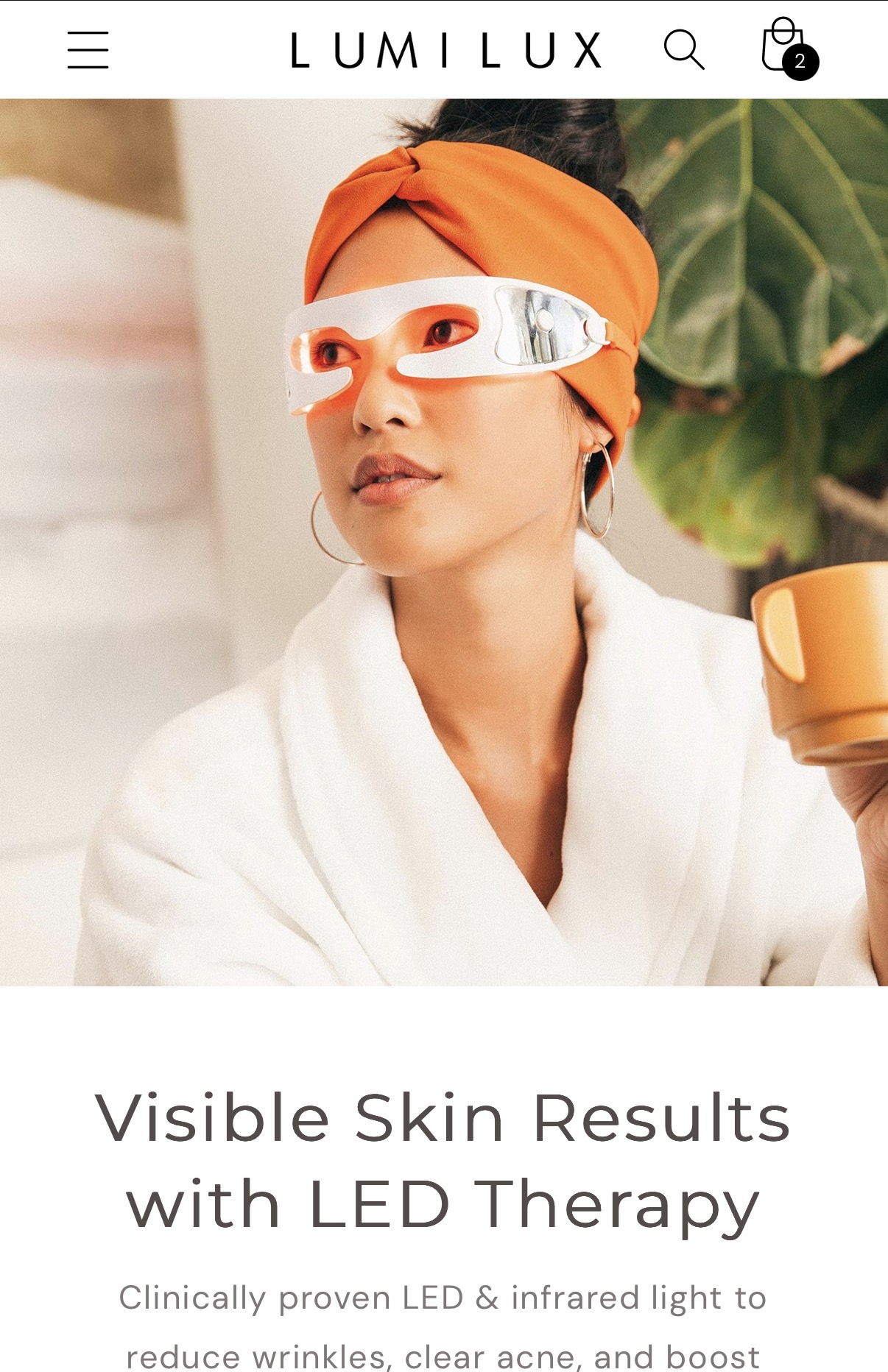
Take control of your skincare journey with dermatologist-inspired innovations tailored to address inflammation, bacterial growth, and skin repair. Visit Lumilux Limited now to find safe, effective light therapy treatments that fit your lifestyle and start seeing results within weeks. Don’t wait any longer to experience the benefits of cutting-edge skincare technology backed by science and designed for your skin health.
Frequently Asked Questions
What is light therapy for acne?
Light therapy for acne is a non-invasive skincare treatment that uses specific wavelengths of light to target acne by reducing inflammation and bacterial growth. Blue light kills acne-causing bacteria, while red light promotes healing and reduces skin inflammation.
How do I use at-home light therapy devices effectively?
To achieve the best results with at-home light therapy devices, use them consistently for 30-60 minutes daily, make sure to choose FDA-cleared devices, wear protective eyewear, and follow the manufacturer’s instructions. Combining light therapy with your existing skincare routine can also enhance effectiveness.
What types of light therapy devices are available for acne treatment?
Light therapy devices for acne come in different forms, including handheld devices for targeted areas, full-face masks for comprehensive treatment, professional panels for clinical use, and combination devices that utilize both blue and red light wavelengths for more holistic care.
What side effects should I be aware of when using light therapy for acne?
Potential side effects of light therapy include temporary redness, swelling, stinging sensations, and in rare cases, burns or pigmentation changes. It’s important to follow safety guidelines, such as wearing protective eyewear and consulting a dermatologist if you have sensitive skin or pre-existing conditions.