

Clinical Evidence for Light Therapy: Proven Skin Results
Finding an effective way to manage both ageing and acne at home can feel impossible when every new product promises results but rarely delivers lasting change. For women in the UK and Canada who value science-backed skincare, LED light therapy stands out for its clinically proven benefits in tackling fine lines and breakouts without invasive procedures. If you want a safe, modern approach that fits easily into a busy lifestyle, this guide offers clarity on how advanced light treatments can rejuvenate your skin from the comfort of home.
Table of Contents
- What Is Clinical Light Therapy?
- Types And Wavelengths Used In Skincare
- How LED Therapy Targets Skin Concerns
- Expert Endorsements And Safety Standards
- Comparing At-Home And Clinical Devices
- Risks, Limitations And Usage Guidance
Key Takeaways
| Point | Details |
|---|---|
| Non-Invasive Treatment | Clinical light therapy offers a non-invasive method for treating various health conditions through specific wavelengths of light. |
| Skin Health Applications | Light therapy effectively addresses skin concerns such as acne, pigmentation, and signs of ageing via targeted wavelengths. |
| Expert Recommendations | Consulting certified professionals is crucial to ensure appropriate treatment plans and adherence to safety protocols. |
| Device Comparison | There are noteworthy distinctions between clinical and at-home devices, including power intensity and professional oversight requirements, impacting effectiveness. |
What Is Clinical Light Therapy?
Clinical light therapy represents an innovative, non-invasive approach to treating various physiological conditions by strategically using specific wavelengths of light. Advanced therapeutic techniques demonstrate remarkable potential for addressing multiple health challenges through targeted photobiomodulation.
The fundamental science behind clinical light therapy involves stimulating cellular processes using precisely calibrated light wavelengths. These treatments work by enhancing mitochondrial function and promoting key biological responses across different body systems. Key applications include:
- Skin rejuvenation and healing
- Pain management
- Cognitive function improvement
- Depression treatment
- Inflammation reduction
- Sleep disorder management
Light therapy operates through sophisticated mechanisms that trigger cellular energy production and reduce oxidative stress. Low-level light interventions specifically utilise red and near-infrared wavelengths to stimulate mitochondrial activity, which promotes tissue regeneration and healing.
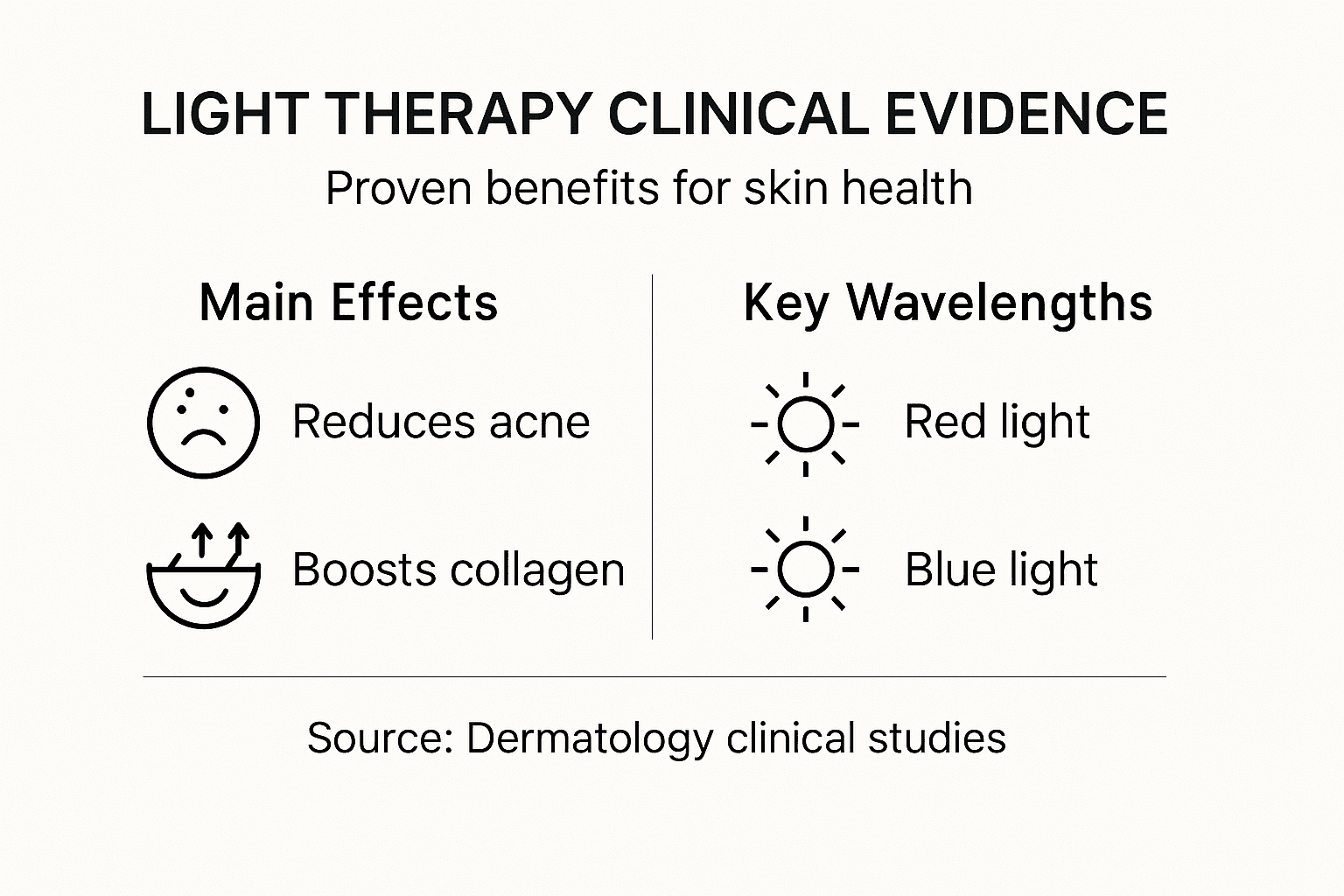
Dermatological research has demonstrated particularly promising results in skin-related treatments. Clinicians have observed significant improvements in conditions like acne, skin aging, and wound healing through carefully administered light therapy protocols. The therapy’s non-invasive nature and minimal side effects make it an increasingly attractive treatment option for healthcare professionals.
Pro tip: Always consult a qualified healthcare professional to determine the most appropriate light therapy approach for your specific health needs.
Types And Wavelengths Used In Skincare
Light therapy in skincare harnesses specific wavelengths to target diverse skin concerns with remarkable precision. Targeted wavelength treatments demonstrate extraordinary potential for addressing complex dermatological challenges through strategic light application.
The primary wavelengths used in skincare light therapy include:
- Blue Light (415 nm): Targets acne-causing bacteria
- Red Light (630-660 nm): Stimulates collagen production
- Near-Infrared Light (800-900 nm): Promotes tissue repair
- Green Light (495-570 nm): Addresses hyperpigmentation
- Yellow Light (570-590 nm): Reduces redness and supports skin healing
Each wavelength interacts uniquely with skin cells, triggering specific biological responses. Clinical light therapy techniques reveal that red and near-infrared wavelengths penetrate deeper skin layers, stimulating cellular regeneration and improving overall skin health.
Dermatological research indicates that combination therapies leveraging multiple wavelengths can provide more comprehensive skin rejuvenation. By carefully selecting and combining different light spectra, practitioners can develop personalised treatment protocols addressing multiple skin concerns simultaneously.
To better understand the unique benefits of each wavelength in skincare, see the summary below:
| Wavelength Type | Depth of Penetration | Primary Skin Impact | Typical Clinical Uses |
|---|---|---|---|
| Blue (415 nm) | Epidermal (shallow) | Antibacterial, oil control | Acne, seborrhoeic skin |
| Red (630-660 nm) | Mid to deep dermal | Collagen synthesis, inflammation | Ageing signs, wrinkle reduction |
| Near-Infrared (800-900 nm) | Deep dermal/subcutaneous | Tissue repair, cellular energy | Wound healing, muscle recovery |
| Green (495-570 nm) | Superficial to mid-dermal | Pigmentation regulation | Hyperpigmentation, melasma |
| Yellow (570-590 nm) | Superficial to mid-dermal | Redness reduction, soothing | Rosacea, sensitive or irritated skin |
Pro tip: Consult a skincare professional to determine the most appropriate light wavelength combination for your specific skin needs.
How LED Therapy Targets Skin Concerns
LED therapy represents a sophisticated approach to addressing complex skin challenges through precise light-based interventions. Photobiomodulation mechanisms reveal how targeted light wavelengths interact with cellular structures to promote healing and rejuvenation.
The primary skin concerns addressed by LED therapy include:
- Acne reduction
- Wrinkle minimisation
- Inflammation management
- Collagen stimulation
- Skin texture improvement
- Pigmentation correction
At the cellular level, different wavelengths trigger specific biological responses. Red and near-infrared lights penetrate deep into skin tissue, stimulating mitochondrial activity and enhancing ATP production. Molecular light interactions demonstrate how light energy activates cellular repair mechanisms, promoting natural healing processes.
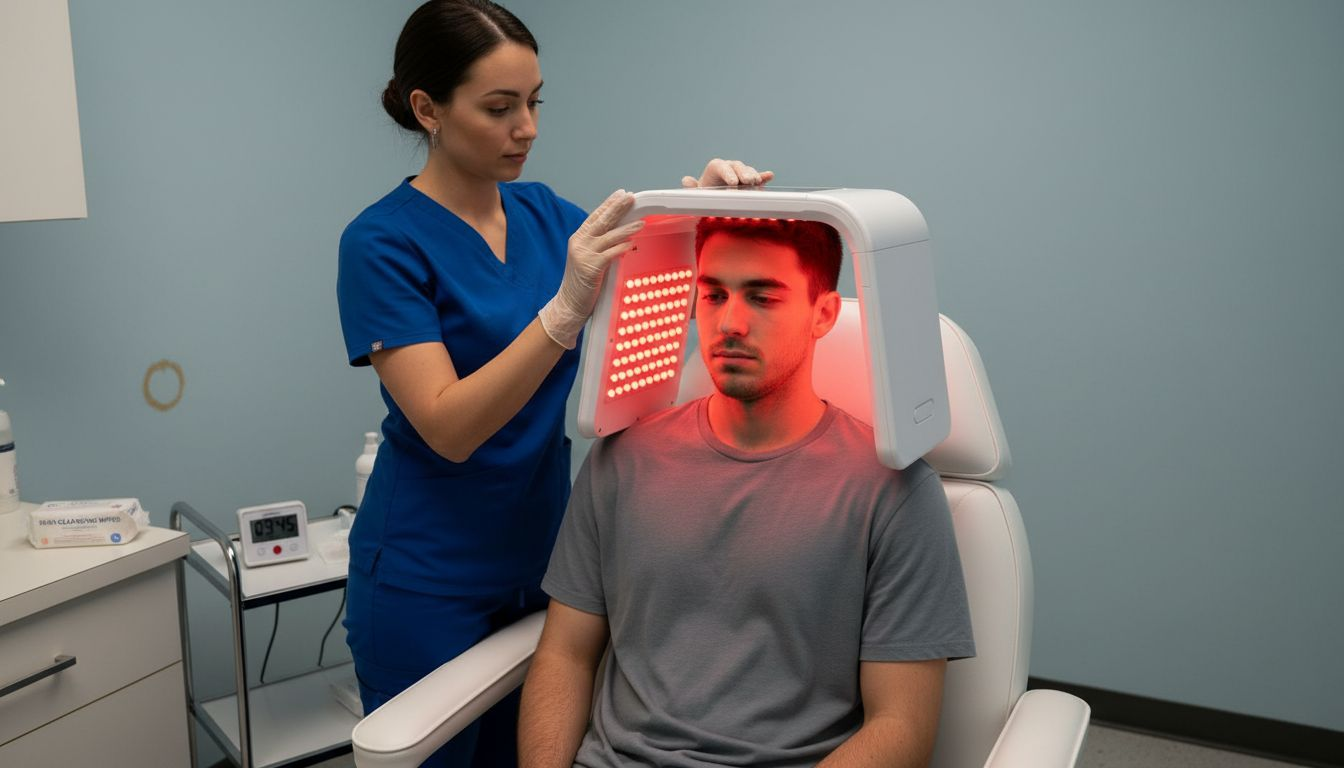
Blue wavelengths specifically target acne-causing bacteria, while green and yellow lights address pigmentation and reduce redness. This multi-wavelength approach allows practitioners to develop personalised treatment protocols that address multiple skin concerns simultaneously, offering a comprehensive solution for various dermatological challenges.
Pro tip: Consult a skincare professional to design a customised LED therapy plan tailored to your unique skin needs.
Expert Endorsements And Safety Standards
Light therapy has garnered significant attention from medical professionals worldwide, with clinical safety guidelines establishing rigorous standards for effective and responsible treatment. Dermatologists and researchers increasingly recognise the potential of non-invasive light-based interventions for skin health.
Key safety considerations in light therapy include:
- Precise wavelength selection
- Controlled light intensity
- Recommended treatment duration
- Individual skin sensitivity assessment
- Regular professional monitoring
- Adherence to regulatory standards
Reputable medical organisations emphasise the importance of empirical evidence and comprehensive clinical trials. Regulatory agency perspectives highlight the low-risk classification of most light therapy devices, with the FDA providing clear guidelines for consumer protection and device efficacy.
Expert endorsements consistently underscore light therapy’s potential as a complementary treatment approach. Dermatological research suggests minimal adverse effects when treatments are administered correctly, with many professionals recommending light therapy as a safe alternative to more invasive skin interventions.
Pro tip: Always consult a certified skincare professional and verify device certifications before beginning any light therapy treatment.
Comparing At-Home And Clinical Devices
Light therapy devices showcase remarkable variation between clinical and at-home treatments, with significant technological differences defining their effectiveness and application methods.
Key comparative aspects include:
- Power output intensity
- Treatment precision
- Wavelength specificity
- Professional supervision requirements
- Cost-effectiveness
- Treatment duration
- Accessibility
Clinical device capabilities distinguish themselves through higher power densities and more targeted wavelength control. Professional equipment enables quicker, more pronounced results by delivering more concentrated light energy directly to specific skin layers.
At-home devices prioritise safety and convenience, featuring lower-intensity LEDs designed for regular maintenance treatments. These user-friendly alternatives offer accessibility while maintaining fundamental therapeutic principles, though with potentially reduced immediate effectiveness compared to professional-grade equipment.
Here is a concise comparison of clinical and at-home light therapy devices for clearer decision-making:
| Device Type | Power Intensity | Customisation Level | Professional Involvement |
|---|---|---|---|
| Clinical | High, advanced outputs | Highly adjustable settings | Direct supervision required |
| At-Home | Low, safety optimised | Limited adjustment options | Self-administered, user-friendly |
Pro tip: Combine at-home maintenance treatments with periodic professional sessions for optimal skincare results.
Risks, Limitations And Usage Guidance
Light therapy requires careful consideration of potential risks and limitations, with comprehensive safety protocols essential for responsible treatment implementation.
Key potential risks include:
- Mild skin irritation
- Temporary eye strain
- Inconsistent treatment responses
- Potential burns with improper use
- Risks for photosensitive individuals
- Variable effectiveness across skin types
- Limited long-term research data
Device usage guidelines emphasise the critical importance of following manufacturer recommendations and understanding individual skin sensitivities. Professional medical consultation remains crucial before initiating any light therapy regimen, particularly for individuals with pre-existing skin conditions or heightened light sensitivity.
Clinical evidence suggests that while light therapy presents minimal risks, individual variability means personalised approaches are paramount. Users should prioritise protective measures, including appropriate eye protection and carefully monitored exposure times to mitigate potential adverse effects.
Pro tip: Always perform a patch test and start with shorter, lower-intensity treatments to assess your skin’s individual response.
Unlock Proven Skin Benefits with Advanced Light Therapy Devices
If you are seeking clinically proven ways to enhance your skin health and combat issues such as ageing, acne, or inflammation, understanding the science of light therapy is just the beginning. This article highlights the power of targeted wavelengths and cellular stimulation that deliver real results but the key is accessing professional-grade technology designed for safe and effective home use. Experience the technology dermatologists trust by exploring our range of innovative PDT LED devices that harness red and near-infrared light for collagen boosting and skin rejuvenation.
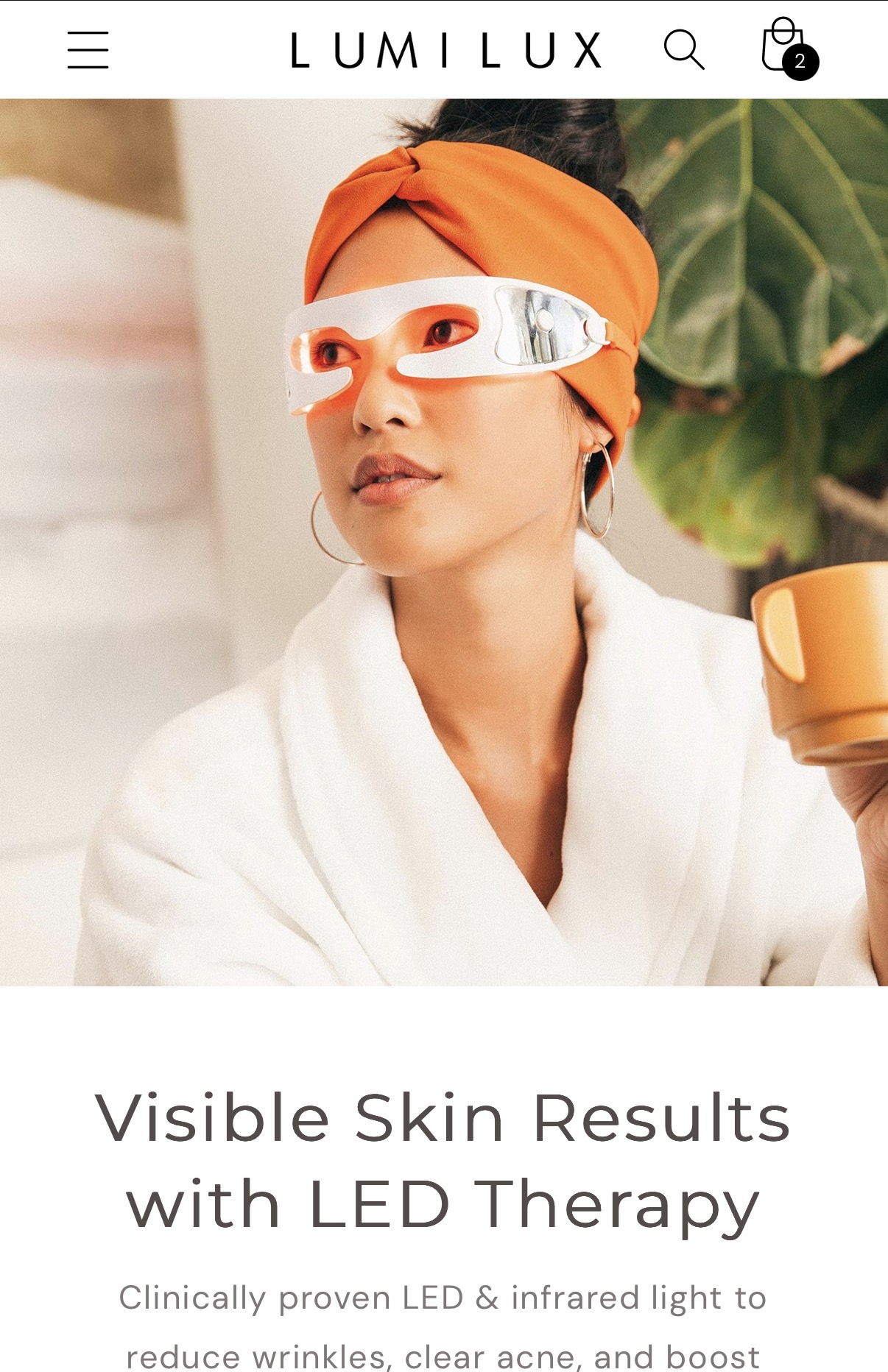
Take control of your skincare journey today by choosing advanced, CE-certified light therapy tools from Lumilux. Our devices offer expert-engineered solutions with visible results you can trust while enjoying the convenience of at-home treatments. Start transforming your skin now through safe, powerful technology backed by clinical evidence. Visit our collection and begin your path to radiant skin.
Frequently Asked Questions
What is clinical light therapy and how does it work?
Clinical light therapy is a non-invasive treatment that uses specific wavelengths of light to stimulate cellular processes in the body. It enhances mitochondrial function and promotes healing and regeneration, addressing various health concerns such as skin rejuvenation, pain management, and inflammation reduction.
What are the different types of wavelengths used in skincare light therapy?
The main wavelengths used in skincare light therapy include blue light (415 nm) for acne, red light (630-660 nm) for collagen production, near-infrared light (800-900 nm) for tissue repair, green light (495-570 nm) for pigmentation, and yellow light (570-590 nm) for reducing redness.
How does LED therapy specifically target skin concerns?
LED therapy uses different wavelengths to trigger specific biological responses in the skin. Red and near-infrared lights stimulate collagen production and cellular energy, while blue light targets acne-causing bacteria, and green and yellow lights address pigmentation and redness, respectively.
What are the risks associated with light therapy?
While light therapy is generally safe, potential risks include mild skin irritation, temporary eye strain, and inconsistent treatment responses. Users should follow professional guidelines, perform patch tests, and consult a healthcare professional before starting treatment, especially if they have pre-existing skin conditions.
Recommended
- Phototherapy for Skin: A Complete Guide to Benefits and Uses – Lumilux
- Unveiling the Power of Red Light Therapy for Skin - Lumilux
- Harness the Power of LED Light Therapy for Youthful Skin - Lumilux
- Comprehensive Light Therapy Resource Hub: The Complete Global Guide to Benefits, Types & Research – Lumilux
- What to Use to Make Your Skin Glow Naturally Every Day – Pure Light Botanical Beauty
- What Is Blue Light Skincare? Complete Overview