

Skin Rejuvenation: Transforming At-Home Skincare Results
Finding safe and effective solutions for visible skin aging can feel frustrating, especially when your schedule is packed and professional treatments are out of reach. As skin health becomes more closely linked to overall wellbeing, health-conscious adults are turning to advanced options that fit into everyday life. Today, at-home LED devices offer a way to address both age-related changes and acne, making evidence-based skincare accessible and tailored to your needs. For those prioritizing real results, understanding skin rejuvenation has never been more empowering.
Table of Contents
- What Skin Rejuvenation Means Today
- Popular Types of Skin Rejuvenation Treatments
- How Led And Infrared Devices Work
- Benefits And Limitations Of At-Home Therapies
- Risks, Safety Guidance, And Common Mistakes
Key Takeaways
| Point | Details |
|---|---|
| Skin Rejuvenation is Evolving | Modern skin rejuvenation focuses on working with the skin’s natural biology rather than against it, offering personalized solutions for various skin concerns. |
| Home-Based Treatments are Accessible | Advancements in technology have made effective skin rejuvenation treatments available for at-home use, enhancing convenience and consistency. |
| Importance of Consistency | Achieving noticeable skin improvements requires regular use of devices or treatments, typically over an 8 to 12-week period. |
| Understanding Risks and Proper Use | At-home treatments carry risks if not used correctly; it’s crucial to follow safety guidelines and monitor skin responses closely. |
What Skin Rejuvenation Means Today
Skin rejuvenation isn’t just a buzzword thrown around by dermatologists and aestheticians anymore. It’s become a mainstream conversation about how we approach aging skin in a way that feels both achievable and honest. Today, skin rejuvenation represents a fundamental shift in how people view their skin health as directly connected to their overall wellbeing. Rather than accepting fine lines, loss of elasticity, and uneven texture as inevitable consequences of aging, individuals aged 25 to 45 are actively seeking solutions that work with their skin’s natural biology instead of against it.
The concept itself has evolved significantly. Skin ageing occurs through both intrinsic factors like genetic predisposition and the passage of time, as well as extrinsic ones such as cumulative sun exposure, environmental stress, and lifestyle choices. Modern skin rejuvenation acknowledges both layers of this problem. It’s not simply about slapping an expensive cream on your face at night and hoping for the best. Instead, today’s approach combines targeted topical treatments with device-based therapies designed to stimulate your skin’s own regenerative capacity. The global demand for these solutions is accelerating because people increasingly recognize that healthy skin is tied to confidence, professional presence, and quality of life.
What makes contemporary skin rejuvenation different from previous decades is the accessibility and sophistication of technology. Ten years ago, meaningful skin transformation often required trips to dermatology clinics, professional treatments that cost thousands of dollars, and downtime that disrupted your schedule. Now, advanced light-based therapies and regenerative approaches can be integrated into your home routine. Red light therapy for skin has moved beyond experimental territory into clinical validation, with research demonstrating consistent improvements in collagen production, skin thickness, and reduction of visible aging markers. Similarly, wireless LED face mask benefits have become central to understanding how light wavelengths can address acne, inflammation, and signs of aging without the harsh side effects of older treatments. The convergence of clinical efficacy and home-based convenience means your skincare outcomes now depend more on consistency and knowledge than on access to expensive clinics.
What’s equally important is understanding that skin rejuvenation today is highly personalized. Your skin challenges at 28 differ from those at 42, and what works for acne-prone skin won’t necessarily work for texture-damaged, sun-exposed skin. This is where the modern definition truly sets itself apart. Rather than one-size-fits-all treatments, current approaches emphasize understanding your specific aging patterns and selecting technologies and products that address your particular concerns. Whether you’re dealing with premature fine lines from environmental stress, active breakouts disrupting your confidence, or a combination of concerns, skin rejuvenation now means having concrete, evidence-based options that you control, implement on your timeline, and adjust as your skin evolves. It’s about taking an active role in your skin health rather than passively accepting changes.
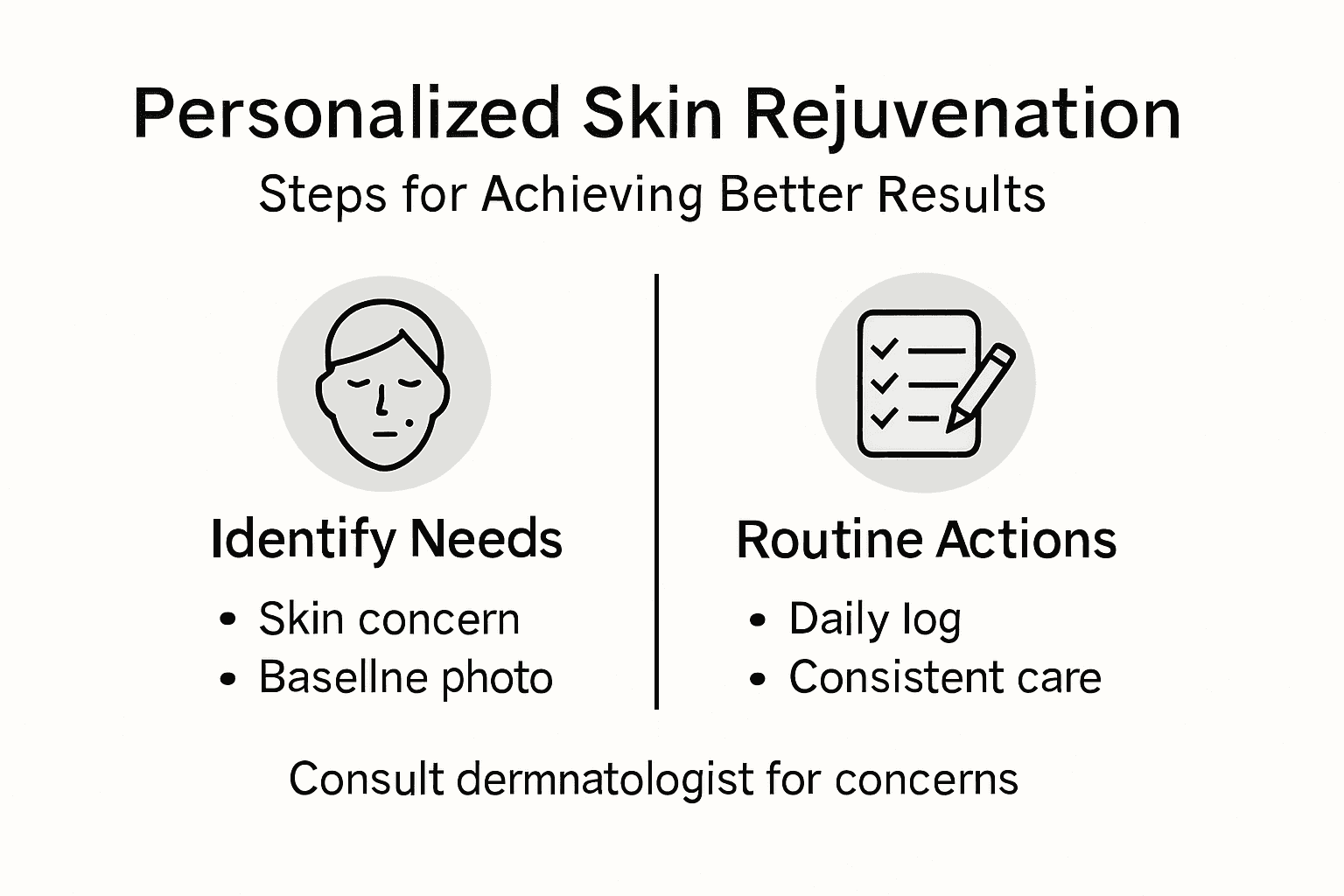
Pro tip: Start by identifying your primary skin concern (aging, acne, sensitivity, or texture) and track your baseline skin condition with photos before introducing any new device or treatment, as this allows you to measure genuine progress over 8-12 weeks.
Popular Types of Skin Rejuvenation Treatments
When you start exploring skin rejuvenation options, you’ll quickly discover that there’s no single “best” treatment. The landscape includes everything from straightforward topical products you apply at home to sophisticated device-based therapies and professional procedures. Understanding what each category does and how it works is the first step toward building a strategy that actually matches your skin’s needs and your lifestyle. The good news is that most effective treatments fall into a handful of clear categories, and many of them can be combined for better results.
Topical treatments form the foundation of any serious skincare regimen. These include retinoids (prescription strength like tretinoin or over-the-counter alternatives), peptides, and antioxidants that work by boosting collagen production, reducing pigmentation, and improving overall skin texture from the surface down. You apply these consistently over weeks and months to see cumulative benefits. The advantage is accessibility and affordability, but the trade-off is patience. Results take time, and potency varies significantly depending on the specific ingredient and formulation. Chemical peels represent the next step up, using acids or enzymes to remove damaged outer layers and stimulate renewal. What makes chemical peels effective is their ability to accelerate what your skin naturally does anyway, but in a controlled, concentrated way.
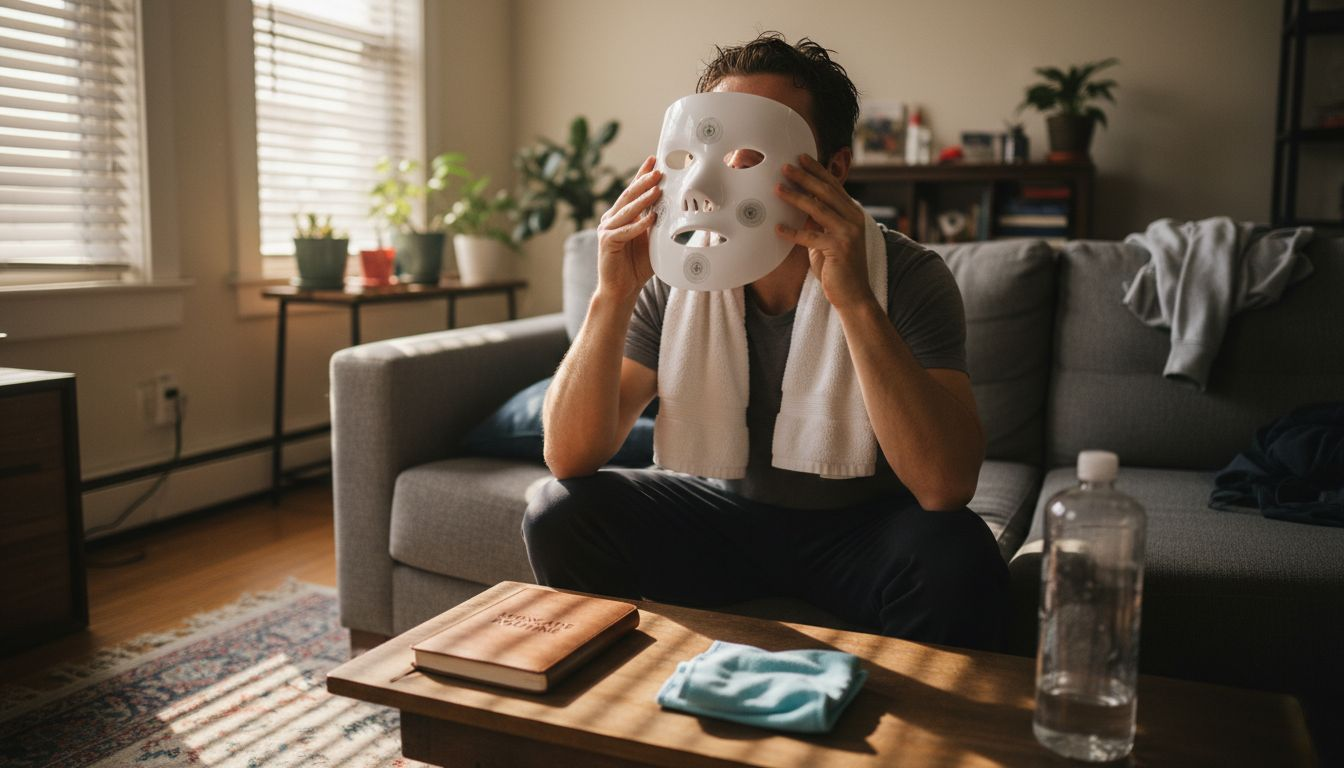
Device-based therapies have transformed what’s possible at home. LED light therapy addresses skin concerns without the downtime or cost associated with professional laser treatments. Different light wavelengths target different issues: red light stimulates collagen and reduces inflammation, blue light targets acne bacteria, and infrared penetrates deeper to support cellular regeneration. These treatments work because they’re addressing your skin at a biological level. Professional options like laser technologies for skin remodeling include ablative lasers that vaporize damaged tissue, non-ablative lasers that heat deeper layers without removing the surface, and fractional systems that treat only portions of your skin to minimize downtime. The choice depends on your specific concern, how much downtime you can tolerate, and your skin type.
Injectables like botulinum toxin and dermal fillers represent a different category altogether. These work through mechanical means rather than stimulating your body’s own repair processes. Botulinum toxin prevents muscle contractions that create expression lines, while fillers restore lost volume and smooth existing wrinkles. The results are visible quickly, but they require maintenance because the body gradually metabolizes these materials. For many people in your age range, the real effectiveness comes from combining approaches. Someone dealing with both active acne and fine lines might use blue light LED therapy for breakouts, red light for collagen stimulation, retinoids for texture, and targeted injectables for established wrinkles that won’t respond to non-invasive options alone. Phototherapy benefits and uses continue expanding as research validates light-based approaches that were once considered experimental.
Here is a comparison of popular skin rejuvenation treatment types and their unique characteristics:
| Treatment Type | Main Approach | Typical Benefit | Time to Notice Results |
|---|---|---|---|
| Topical Products | Surface-level ingredient action | Texture, brightness | 6-12 weeks |
| Device-Based (LED) | Light or energy-based therapy | Collagen, inflammation | 8-12 weeks |
| Chemical Peels | Controlled exfoliation | Smoother texture | 1-4 weeks |
| Injectables | Volume or muscle modulation | Smoothing wrinkles | Immediate to 2 weeks |
Pro tip: Start with one treatment modality, use it consistently for at least 12 weeks before assessing results, then add complementary treatments rather than changing everything at once, since this approach helps you identify which treatments actually work for your unique skin.
How LED and Infrared Devices Work
The science behind LED and infrared devices sounds complicated, but the core concept is surprisingly straightforward. These devices emit specific wavelengths of light that penetrate your skin and trigger biological responses at the cellular level. Unlike passive skincare products that sit on your skin’s surface, light-based therapy actually communicates with your cells, telling them to work harder at what they already do naturally. When you understand this mechanism, you realize why consistency matters so much and why these devices have moved from trendy gadgets into clinically validated tools for skin transformation.
At the heart of this technology is a process called photobiomodulation, which essentially means light changing how your body works. When red and near-infrared light wavelengths penetrate your skin, they reach your cells’ mitochondria, the powerhouses responsible for energy production. LED light stimulates mitochondrial activity and increases ATP production, which is the chemical energy currency your cells use to function. Think of it like upgrading from a basic battery to a premium one in your remote control. With more ATP available, your fibroblasts (the cells responsible for collagen production) actually have the energy to do their job more effectively. Simultaneously, this process reduces oxidative stress and inflammation, which is why red light therapy works for both anti-aging and active acne concerns. Your skin isn’t just being treated passively; it’s being equipped with the resources to heal and regenerate itself.
Different wavelengths of light produce different effects because they penetrate to different depths and activate different cellular pathways. Red light, typically around 600 to 700 nanometers, stays closer to the skin surface and excels at reducing inflammation and stimulating collagen in the upper and middle dermis. Near-infrared light, around 700 to 1100 nanometers, penetrates deeper and affects larger areas of tissue, making it particularly effective for overall skin density and texture improvement. Some of the newer devices combine broader spectral ranges, which means they deliver multiple wavelengths simultaneously. Newer near-infrared devices enhance skin rejuvenation by increasing cellular ATP generation while also reducing reactive oxygen species, the unstable molecules that accelerate aging. Blue light operates differently entirely, targeting acne-causing bacteria without heating tissue, making it the go-to choice if you’re dealing with active breakouts rather than aging concerns. The critical factors determining actual results are wavelength accuracy, energy density (how much light energy reaches your skin), and treatment duration. A device emitting the correct wavelength but at insufficient intensity won’t deliver meaningful results, which is why device quality matters.
To help you select the right at-home device, here is a summary of LED and infrared light wavelengths and their benefits:
| Wavelength Range | Penetration Depth | Main Skin Benefit |
|---|---|---|
| Blue (400-500 nm) | Superficial | Targets acne-causing bacteria |
| Red (600-700 nm) | Upper to mid dermis | Boosts collagen, reduces inflammation |
| Near-Infrared (700-1100 nm) | Deep dermis | Improves density, accelerates repair |
What makes at-home devices transformative is that you control the timeline and consistency. Unlike professional treatments where you visit a clinic occasionally, you can use a quality LED device three to five times weekly in your own home. This consistency is where the real magic happens. Your skin cells respond to repeated signals over weeks and months, gradually building more collagen, strengthening the dermal layer, and improving overall texture. Infrared light therapy healing benefits extend beyond cosmetic concerns into actual tissue repair and regeneration. Clinical trials consistently show measurable improvements in skin density, wrinkle reduction, and texture within 8 to 12 weeks of regular use. The device doesn’t create dramatic overnight changes; instead, it facilitates the biological processes your body already wants to perform, just amplified and directed efficiently.
Pro tip: Use your LED or infrared device at the same time daily (ideally evening) immediately after cleansing and before serums, since clean, product-free skin allows light penetration and consistency helps your cells establish a rhythm of response.
Benefits and Limitations of At-Home Therapies
At-home skin rejuvenation devices offer something genuinely valuable that didn’t exist a decade ago: clinical-level results without requiring you to schedule appointments, travel to clinics, or take time off work. The benefits are real and measurable, but understanding the limitations is equally important so you make informed decisions about what these tools can realistically deliver. The honest truth is that at-home therapies occupy a middle ground between drugstore skincare and professional treatments. They’re significantly more effective than topical products alone but typically deliver milder results than in-clinic procedures performed by dermatologists. That positioning isn’t a weakness. For many people managing mild to moderate skin concerns, it’s actually perfect.
The primary benefits of at-home devices center on three factors: accessibility, consistency, and safety. You can use a quality LED device or radiofrequency tool multiple times weekly without worrying about adverse reactions or downtime. Compare this to professional laser treatments that might leave your skin red and peeling for days. Home-use multi-energy devices improve skin hydration and elasticity while showing no serious adverse effects, making them genuinely safe for regular use when you follow instructions. Another massive advantage is cost per use. A professional fractional laser treatment might cost 500 dollars and address your wrinkles for six months. A quality at-home device costs less upfront and can deliver consistent results year after year. You also control the timing. Instead of waiting for an appointment opening, you use your device whenever it fits your schedule, whether that’s 10 PM after your kids are in bed or during your lunch break. Understanding light therapy benefits reveals how accessible maintenance between professional treatments becomes possible, which means you can extend the longevity of any professional procedures you’ve had.
The limitations are worth stating plainly. At-home devices work best on mild to moderate concerns. If you have severe sun damage, significant laxity, or deep wrinkles, professional treatments deliver faster, more dramatic results. The intensity and precision available to dermatologists simply exceeds what at-home devices can safely replicate. Results from at-home therapy also require patience and consistency. You won’t see transformation in two weeks. Most people need 8 to 12 weeks of regular use to notice meaningful changes, and maintaining results requires ongoing treatment. This is where many people underestimate the commitment required. You can’t use your device sporadically and expect results. The science underlying these devices demands regularity. Additionally, device quality varies significantly, which means not all at-home devices perform equally. A poorly designed device might emit the correct wavelength but at insufficient intensity, or it might have inconsistent output across the treatment surface. This variability is why choosing a clinically validated device from a reputable manufacturer matters more than simply buying the cheapest option available.
The realistic role of at-home therapies in your skincare strategy depends on your specific situation. If you’re 28 with early fine lines and occasional breakouts, at-home LED therapy and retinoids might fully address your concerns. If you’re 42 with significant sun damage and established wrinkles, at-home devices might work beautifully as maintenance between professional treatments or to enhance results from injectables and professional procedures. Many dermatologists now recommend at-home devices specifically for this maintenance role. A patient gets professional treatment, then uses an at-home device three to five times weekly to extend and enhance results. This combination approach often delivers better long-term outcomes than either option alone. The limitation isn’t really a flaw, then. It’s a realistic understanding of where these tools fit in a comprehensive skincare strategy. They excel at prevention, maintenance, and managing mild to moderate concerns. They struggle with advanced aging that requires more aggressive intervention.
Pro tip: Before committing to an at-home device, identify whether your skin concern falls into mild to moderate severity (fine lines, minor texture issues, occasional breakouts) where at-home tools excel, or advanced severity (deep wrinkles, significant laxity, cystic acne) where professional treatments become more appropriate.
Risks, Safety Guidance, and Common Mistakes
Skin rejuvenation devices are generally safe when used correctly, but treating them like they have zero risk is naive and dangerous. Real complications can occur, ranging from minor irritation to burns, infections, and permanent scarring. The good news is that most adverse events are completely preventable through proper technique, appropriate device selection, and honest assessment of your skin’s current condition. Understanding what can go wrong isn’t meant to scare you away from these tools. It’s meant to ensure you use them responsibly and recognize warning signs if something starts heading in the wrong direction.
The most common risks involve using devices on skin that shouldn’t be treated. Never use LED devices, microneedling tools, or radiofrequency equipment on skin that’s actively inflamed, sunburned, infected, or experiencing an active breakout of cystic acne. Your skin barrier needs to be intact and stable. If you’ve recently had professional treatments like laser or chemical peels, wait at least one to two weeks before introducing home devices. This means if you got a professional facial Friday, your at-home LED device stays in the drawer until the following week. Safe at-home device use requires following guidelines carefully, particularly regarding treatment frequency and understanding what your specific device can actually do. Overuse is one of the biggest mistakes people make. More isn’t better. Using your LED device daily instead of three times weekly doesn’t accelerate results. It increases irritation without improving outcomes. Similarly, using microneedling twice weekly instead of the recommended once monthly won’t give you faster collagen induction. It will give you compromised skin barrier and potential infection. Your skin needs recovery time between treatments.
Microneedling carries specific risks that warrant careful attention. Microneedling device safety depends on proper use and appropriate needle length. Professional devices use longer needles under controlled conditions by trained practitioners. At-home versions have shorter needles and lower penetration depth, which is intentionally limiting for safety. Even so, infection remains possible if you don’t maintain rigorous hygiene. Your needling pen must be properly sterilized or replaced. Your skin must be thoroughly cleansed. Your hands must be clean. Any nick or break in technique opens the possibility of infection, which can escalate quickly. If you notice increasing redness, warmth, pus, or swelling days after microneedling, that’s infection. Stop using the device and contact a dermatologist immediately. Burns from LED or radiofrequency devices happen when people use devices at excessive intensity or treat compromised skin. If your skin tingles uncomfortably, feels burning heat, or shows immediate redness beyond normal treatment response, stop immediately and let your skin cool down. Mild warmth and slight temporary flushing during treatment is normal. Actual burning sensation is not.
Common mistakes extend beyond overuse into unrealistic expectations and poor device selection. People buy the cheapest device available, use it inconsistently for three weeks, see no results, and blame the technology. Consistency for 12 weeks matters more than device cost, but device quality still matters significantly. A cheap device might emit incorrect wavelengths or insufficient intensity. Another mistake involves combining incompatible treatments. Using tretinoin and intense LED therapy simultaneously, or microneedling and strong retinoids in the same week, overwhelms your skin’s tolerance. Space treatments strategically. If you microneedle on Monday, don’t use LED until Wednesday. If you use tretinoin nightly, don’t add microneedling until your skin has adapted over several weeks. People also ignore their skin’s feedback. Persistent redness, itching, or sensitivity that doesn’t resolve within a few hours means your skin is telling you something needs to change. Maybe you need longer spacing between treatments. Maybe you need lower intensity. Maybe you need to skip that week entirely. Your skin’s signals matter more than your treatment schedule.
Pro tip: Before using any new at-home device, patch test on a small inconspicuous area for one week to verify your skin tolerates it, then start at the lowest recommended frequency and intensity before increasing, since this conservative approach prevents most complications.
Unlock Consistent Skin Rejuvenation at Home with Expert LED Technology
If you are ready to move beyond fleeting skincare fixes and embrace a proven method that empowers your skin to regenerate naturally then exploring advanced at-home light therapy can be a game changer. The article highlights challenges such as fine lines, inflammation, and uneven texture that require targeted, consistent care. At Lumilux, we specialize in clinically validated, CE-certified LED devices designed to deliver the exact wavelengths of red and infrared light that support collagen production and reduce skin inflammation safely from home.

Begin your journey by discovering our range of PDT LED devices that bring dermatologist-inspired technology into your daily routine. These tools help you overcome common mistakes like inconsistent use and improper treatment timing by offering user-friendly designs and expert engineering. Take control of your skin’s future today with solutions crafted for lasting results. Visit Lumilux now and experience how professional-grade light therapy can transform your skincare regimen with confident, visible improvements.
Frequently Asked Questions
What is skin rejuvenation?
Skin rejuvenation refers to treatments and techniques that enhance the appearance and health of the skin, addressing issues like aging, uneven texture, and loss of elasticity through a combination of topical products and device-based therapies.
How do at-home LED devices work for skin rejuvenation?
At-home LED devices emit specific wavelengths of light, such as red and near-infrared, which penetrate the skin, stimulate collagen production, and reduce inflammation at a cellular level, promoting overall skin health and appearance.
What are the benefits of combining different skin rejuvenation treatments?
Combining treatments allows for a more comprehensive approach to addressing skin concerns. For instance, using LED therapy for acne and retinoids for texture can effectively target multiple issues, enhancing the overall efficacy of your skincare regimen.
How long does it take to see results from at-home skin rejuvenation devices?
Most people typically notice significant improvements in their skin within 8 to 12 weeks of consistent use of at-home skin rejuvenation devices, depending on the specific treatment and individual skin conditions.