

Phototherapy Explained: Transforming Skin and Hair Health
Finding trustworthy solutions for clearer skin and smoother ageing can be confusing, especially with so many misconceptions around light-based treatments. For British women seeking safe, science-backed options, understanding the fundamentals of controlled, specific light frequencies is vital. This article demystifies phototherapy, showing how targeted wavelengths deliver cellular results for acne and ageing concerns, plus how to avoid common pitfalls and maximise safety in your own home routine.
Table of Contents
- Phototherapy Fundamentals And Common Misconceptions
- Main Phototherapy Types And Wavelengths
- How At-Home LED Phototherapy Devices Work
- Benefits For Acne, Ageing, And Hair Loss
- Risks, Safety, And What To Avoid With Phototherapy
Key Takeaways
| Point | Details |
|---|---|
| Phototherapy Utilises Specific Wavelengths | Targeted light frequencies stimulate cellular healing, greatly differing from unregulated sun exposure and its associated risks. |
| Consistency is Key | Regular sessions (3-5 times weekly) yield better results than infrequent, longer treatments. |
| Different Wavelengths Address Specific Concerns | Understanding wavelength functions helps in choosing the right treatment for acne, ageing, or hair loss. |
| Safety Guidelines Are Crucial | Following manufacturer instructions prevents adverse effects, making phototherapy safe and effective. |
Phototherapy fundamentals and common misconceptions
Phototherapy uses targeted light wavelengths to trigger healing responses in your skin and hair at the cellular level. Unlike passive sun exposure, it delivers controlled, specific light frequencies under precise conditions to maximise therapeutic benefit whilst minimising risk.
The science works through a straightforward mechanism. Light energy penetrates your skin, stimulating mitochondria (the energy factories in your cells) to produce more ATP, which fuels repair and regeneration. Different wavelengths target different depths and concerns—red light for deeper skin penetration and collagen stimulation, blue light for surface bacteria and inflammation.
How Light Actually Works on Your Skin
Your skin responds predictably to specific wavelengths. When photons reach your cells, they activate photosensitive molecules that trigger biological cascades, including reactive oxygen species production that kills acne bacteria and reduces inflammation. This process, known as photobiomodulation, relies on specific light wavelengths delivering energy precisely where needed.
Key mechanisms include:
- Collagen stimulation: Red and near-infrared light activate fibroblasts to produce new collagen
- Reduced inflammation: Blue and amber light calm irritated skin and suppress bacterial growth
- Improved circulation: Light therapy increases blood flow and oxygen delivery to treated areas
- Cellular repair: Enhanced ATP production accelerates your skin’s natural healing processes
Phototherapy’s power lies not in its brightness, but in its precision—specific wavelengths triggering specific cellular responses that sunlight cannot replicate.
Common Misconceptions About Phototherapy
Many people wrongly assume phototherapy is simply intense light or tanning exposure. This couldn’t be further from the truth. Unregulated sun exposure damages skin through UV radiation, whilst phototherapy uses safe, non-UV wavelengths (typically 400-1100 nanometres) in controlled doses.
Other widespread myths include:
- “It’s too similar to sunbathing” – Phototherapy uses specific non-UV wavelengths; sunlight includes damaging UV radiation
- “Results take forever” – Most users see visible improvements within 4-12 weeks with consistent use
- “It’s not backed by science” – Clinical evidence demonstrates proven skin results from controlled light therapy applications
- “It causes damage like tanning beds” – Tanning beds emit harmful UV; medical-grade phototherapy does not
- “One treatment fixes everything” – Phototherapy requires consistent sessions to build cumulative benefits
The distinction matters profoundly. Correctly administered LED light therapy differs fundamentally from unregulated sun exposure in wavelength selection, intensity control, and treatment duration.
Why Your Body Responds to Phototherapy
Your cells have evolved to respond to light. This isn’t new science—it’s how plants harness solar energy, and your mitochondria operate on similar biological principles. When exposed to therapeutic wavelengths, your cells activate natural repair mechanisms they already possess.
This makes phototherapy fundamentally different from harsh chemical treatments. You’re not introducing foreign substances; you’re triggering biological processes your body already knows how to execute.
Pro tip: Consistency trumps intensity—three 15-minute sessions weekly deliver better results than occasional longer sessions, as your cells benefit from regular stimulation that builds cumulative effects over time.
Main phototherapy types and wavelengths
Phototherapy encompasses several distinct types, each using different light wavelengths to achieve specific therapeutic outcomes. Understanding which wavelength targets your concern helps you choose the right treatment and set realistic expectations for results.
Wavelength determines how deeply light penetrates your skin and which cellular structures it activates. Shorter wavelengths work on surface layers, whilst longer wavelengths reach deeper tissues. This variation allows targeted treatment of everything from acne bacteria to deep wrinkles and hair loss.
Red and Near-Infrared Light
Red light (600–700 nanometres) and near-infrared light (700–1100 nanometres) represent the most popular wavelengths for at-home phototherapy. They penetrate deepest into your skin, reaching the dermis where collagen lives and where cellular energy production matters most.
These wavelengths excel at:
- Collagen production: Stimulating fibroblasts to build new structural protein
- Anti-ageing: Reducing fine lines, wrinkles, and skin laxity
- Wound healing: Accelerating tissue repair after injury or procedures
- Hair growth: Energising dormant hair follicles to restart the growth cycle
- Inflammation reduction: Calming rosacea, eczema, and general irritation
Red and near-infrared light penetrate deepest because longer wavelengths pass through pigmentation and reach the living skin layers where real change happens.
Most at-home devices combine red and near-infrared wavelengths because they work synergistically—red light stimulates surface responses whilst near-infrared reaches deeper structures.
Blue Light for Acne
Blue light (400–500 nanometres) targets bacteria living on and just below your skin surface. It’s particularly effective against Cutibacterium acnes, the bacteria responsible for inflammatory acne breakouts.
Blue light works by:
- Penetrating pores and hair follicles where acne bacteria thrive
- Generating reactive oxygen species that destroy bacterial cell walls
- Reducing sebum production and pore congestion
- Providing anti-inflammatory effects on inflamed spots
Because blue light doesn’t penetrate as deeply as red, it’s less suitable for wrinkles or hair loss, but it’s unmatched for treating active acne and preventing future breakouts.
Amber and Green Light
Amber light (580–620 nanometres) and green light (500–580 nanometres) occupy the middle spectrum. They balance surface and moderate-depth penetration, making them useful for sensitive skin and redness reduction.
Amber light particularly helps with:
Here’s a summary showing how main phototherapy wavelengths affect specific skin concerns:
| Wavelength | Target Depth | Key Benefits |
|---|---|---|
| Blue (400–500 nm) | Epidermis | Acne bacteria reduction |
| Green (500–580 nm) | Surface & mid | Redness and pigmentation |
| Amber (580–620 nm) | Surface & mid | Calming sensitive skin |
| Red (600–700 nm) | Dermis | Collagen stimulation |
| Near-Infrared (700–1100 nm) | Deep dermis | Wound healing, hair regrowth |
- Rosacea and persistent redness
- Sensitive skin conditions
- Lymphatic drainage and circulation
- Gentle anti-inflammatory effects
Understanding How Wavelengths Target Different Skin Depths
Different light wavelengths penetrate varying skin depths, allowing targeted treatment of surface acne or deep wrinkles depending on your concern. Most advanced devices combine multiple wavelengths because skin conditions are complex. Phototherapy benefits expand significantly when combining complementary wavelengths to address multiple concerns simultaneously—redness plus ageing, or acne plus sensitivity.
Why Wavelength Selection Matters
Choosing the right wavelength means targeting your specific concern accurately. Using blue light for deep wrinkles won’t deliver results because it doesn’t penetrate deeply enough. Using red light alone for active acne will miss the bacteria-killing benefits of blue light.
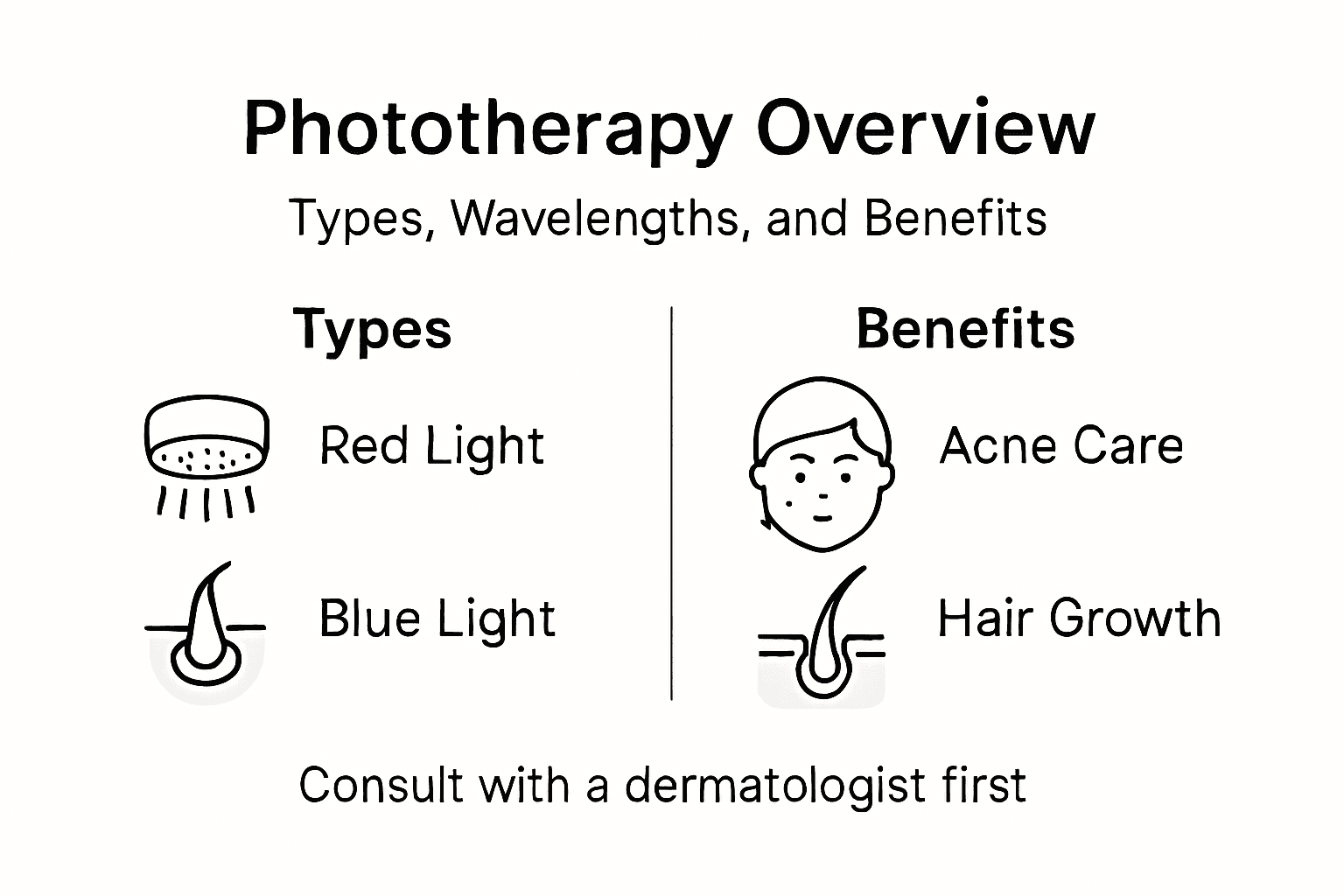
This is why clinical phototherapy devices typically combine wavelengths—they’re engineered to address multiple concerns in a single treatment.
Pro tip: If you’re treating multiple concerns (acne plus ageing, for example), prioritise devices offering red and blue light combinations, as they’ll address both surface bacteria and deeper structural damage without requiring separate treatments.
How at-home LED phototherapy devices work
At-home LED phototherapy devices work by emitting specific light wavelengths that penetrate your skin and trigger cellular healing responses. Unlike professional clinic equipment, these devices are designed for regular personal use with simplified operation and built-in safety features.
The fundamental mechanism is straightforward. Light energy from the LEDs travels through your skin layers, reaching target cells where it stimulates mitochondria to produce ATP energy. This energy fuels cellular processes—killing acne bacteria, reducing inflammation, or stimulating collagen production depending on the wavelength used.
Understanding Device Architecture
Most at-home LED devices share a common structure. They contain an array of LEDs emitting specific wavelengths, a power source, and sometimes a timer or intensity settings. The device sits against your skin, allowing light to penetrate while you relax for 10-20 minutes.
Key design elements include:
- LED array: Multiple LEDs grouped together to deliver consistent wavelength coverage
- Beam divergence: How the light spreads as it travels through tissue—affecting how deep and wide the treatment reaches
- Output power: The strength of light emission, measured in milliwatts per square centimetre, determining treatment intensity
- Treatment area: Larger masks cover more skin surface, whilst smaller devices target specific spots
The effectiveness of at-home devices depends on three factors working together: correct wavelength, sufficient power output, and consistent usage following manufacturer guidelines.
How Light Penetrates Your Skin
Light behaves differently depending on wavelength. Shorter wavelengths (blue, 400–500 nanometres) stop at the epidermis, making them perfect for surface acne. Longer wavelengths (red and near-infrared, 600–1100 nanometres) penetrate deeper to reach dermal collagen and hair follicles.
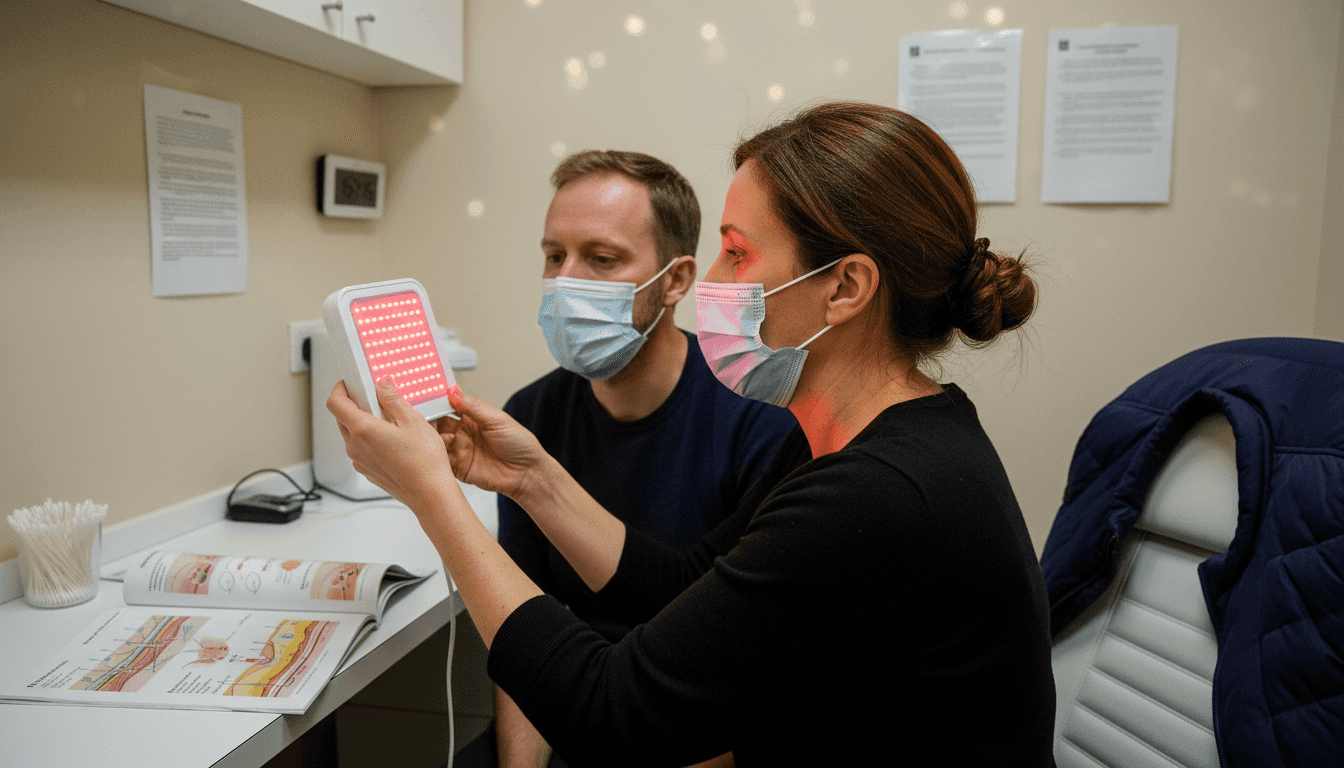
Your skin’s natural pigmentation also affects penetration. Melanin absorbs light energy, which is why darker skin tones may require slightly longer treatment times to achieve the same cellular stimulation as lighter skin.
Clinical Evidence for At-Home Devices
Research shows at-home LED devices improve mild-to-moderate acne safely and effectively when used correctly. Meta-analysis supports combined red and blue light therapy as a promising home treatment option for acne-prone skin.
However, success depends on several factors:
- Following manufacturer instructions precisely
- Using devices consistently (typically 3–5 times weekly)
- Maintaining realistic timelines (4–12 weeks for visible results)
- Choosing appropriate wavelengths for your specific concern
- Accounting for individual skin type variations
Power Output and Treatment Dose
The dose you receive matters significantly. Home-use LED devices vary in output power and beam divergence, affecting how much light energy actually reaches your target tissues. Higher-quality devices deliver more consistent, measurable doses.
This is why not all at-home devices produce equal results. Professional-grade devices at home provide better dose consistency than consumer gadgets designed primarily for convenience rather than efficacy.
See how at-home phototherapy differs from professional clinic treatments:
| Feature | At-Home Devices | Clinic Devices |
|---|---|---|
| Power Output | Low to moderate for safety | High, tailored by clinicians |
| Wavelength Options | Usually set, few choices | Customisable, multiple protocols |
| Convenience | Use anytime at home | Requires appointment |
| Cost | One-off purchase | Pay per treatment session |
| Monitoring | Self-guided, follow manual | Professional supervision |
Safety Features Built In
Quality at-home devices include automatic timers, intensity levels, and eye protection to prevent accidental overexposure. Your skin won’t burn from LED light like it would from sun, but consistent overuse can cause temporary redness or irritation.
Pro tip: Start with the manufacturer’s recommended frequency and duration—typically 15 minutes, 3–5 times weekly—rather than increasing intensity or frequency, as consistent moderate doses outperform occasional intense sessions for building cumulative results.
Benefits for acne, ageing, and hair loss
Phototherapy targets three of the most common skin and hair concerns affecting women today: acne breakouts, visible ageing, and thinning hair. Each condition responds differently to specific light wavelengths, which is why understanding which benefit applies to your situation matters.
The beauty of phototherapy is its versatility. A single device can address multiple concerns when it combines the right wavelengths. You’re not choosing between treating acne or wrinkles—you can address both simultaneously with the correct light spectrum.
Acne: Clearing Breakouts Without Harshness
Acne responds exceptionally well to blue light phototherapy. Blue light therapy offers antimicrobial and anti-inflammatory benefits, effectively reducing acne lesions by targeting the bacteria responsible and calming inflammation.
Here’s how it works:
- Kills acne bacteria: Blue light penetrates pores and destroys Cutibacterium acnes without damaging healthy skin
- Reduces inflammation: Modulates inflammatory cytokines, calming redness and irritation within days
- Prevents future breakouts: Regular treatment suppresses bacterial growth and sebum production
- Works on mild-to-moderate acne: Most effective for active inflammatory spots rather than cystic acne
Unlike harsh topical treatments, blue light doesn’t dry your skin, disrupt your microbiome, or cause irritation. Many women see visible improvement within 2-4 weeks of consistent use, with optimal results around 8-12 weeks.
Blue light targets acne bacteria directly without the drying side effects of prescription medications or benzoyl peroxide.
Ageing: Stimulating Collagen and Restoring Firmness
Red and near-infrared light excel at reversing visible ageing signs. These longer wavelengths penetrate deep into your dermis where collagen lives, stimulating fibroblasts to produce fresh structural protein.
Visible improvements include:
- Fine lines and wrinkles: Reduced by increased collagen density and improved skin thickness
- Skin texture: Smoother, more refined appearance as cell turnover accelerates
- Firmness and elasticity: Enhanced skin resilience and reduced sagging
- Skin tone and radiance: Improved circulation delivers more oxygen and nutrients to facial skin
Phototherapy won’t erase deep wrinkles as rapidly as invasive procedures, but it works without downtime, discomfort, or the risks associated with injections or lasers. Results compound over months, with women typically reporting noticeably firmer, brighter skin by 12-16 weeks.
Hair Loss: Reactivating Dormant Follicles
Hair loss responds to phototherapy through multiple mechanisms. Full-spectrum phototherapy employing different wavelengths regulates hair follicle biology, stimulating growth in both androgenetic alopecia (hereditary hair loss) and other types.
Red and near-infrared light specifically:
- Extend the active growth phase of hair follicles
- Stimulate mitochondrial activity in follicle cells
- Enhance blood circulation to the scalp
- Increase nutrient and oxygen delivery to dormant follicles
Results take longer than with acne or ageing—typically 12-16 weeks to see noticeable regrowth—but phototherapy devices designed for scalp use demonstrate genuine, measurable hair count improvements. Many women combine scalp phototherapy with facial treatments for comprehensive anti-ageing results.
Choosing Your Phototherapy Strategy
If you’re treating acne, prioritise blue light combined with red light for inflammation and healing. For ageing, red and near-infrared wavelengths deliver the deepest results. For hair loss, dedicate treatments specifically to scalp stimulation using red light devices.
Pro tip: Layer treatments strategically—use blue light for active acne breakouts during your morning routine, then apply red and near-infrared light in the evening for anti-ageing benefits, as this addresses multiple concerns without competing wavelengths.
Risks, safety, and what to avoid with phototherapy
Phototherapy is remarkably safe when used correctly, but like any treatment, risks exist when you ignore guidelines or use devices improperly. Understanding these risks helps you protect your skin and maximise benefits without complications.
The good news: serious adverse effects are rare with at-home devices. The challenge: many people exceed recommended treatment times, thinking more light equals faster results. This misconception causes most problems.
Common Adverse Effects and How to Prevent Them
The most frequently reported side effect from phototherapy is temporary erythema—mild redness and warmth that subsides within hours. This usually indicates overexposure rather than a dangerous reaction.
Burns represent the most common adverse reaction from home-use light devices, particularly when people ignore manufacturer guidelines or use devices excessively. Burns occur because sustained heat and light damage skin tissue, especially if you have sensitive skin or fair complexion.
Other potential side effects include:
- Temporary dryness: Light can dehydrate skin; moisturise immediately after treatment
- Eye discomfort: Direct eye exposure causes irritation; wear provided eye protection or close eyes
- Headaches: May occur with facial treatments; reduce frequency if this happens
- Photosensitivity reactions: Rare but possible if you’re taking certain medications
The safest approach is starting conservatively—use the minimum recommended time for two weeks, then gradually increase only if your skin tolerates it well.
Who Should Avoid Phototherapy
Certain conditions and situations make phototherapy unsuitable or require medical supervision. Avoid phototherapy if you have:
- History of skin cancer or suspicious lesions: Light therapy may stimulate abnormal cell growth
- Photosensitive disorders: Conditions like lupus or porphyria increase light sensitivity dramatically
- Recent chemical peels or laser treatments: Your skin barrier is compromised and more vulnerable
- Active herpes simplex: Light can trigger viral reactivation and spread infection
- Uncontrolled thyroid disease: Phototherapy may exacerbate symptoms
- Certain medications: Photosensitising drugs (tetracyclines, NSAIDs, some antibiotics) increase burn risk
If you’re pregnant, consult your doctor before starting treatment. Whilst no evidence suggests harm, medical supervision ensures safety.
Safety Guidelines for At-Home Use
Following manufacturer instructions isn’t optional—it’s protective. Phototherapy safety depends on proper dosing protocols and avoiding unsupervised misuse of light devices.
Practical safety steps:
- Start with shorter sessions (10–15 minutes) at lower intensity
- Limit frequency to 3–5 times weekly, not daily
- Never exceed recommended treatment time
- Allow 24–48 hours between intense treatments
- Wear eye protection if device could contact your eyes
- Discontinue if you develop unusual reactions
- Avoid treating irritated, broken, or infected skin
Medication and Supplement Interactions
Some substances increase photosensitivity, making burns more likely. Be cautious if you’re taking:
- Certain antibiotics (doxycycline, sulphonamides)
- Non-steroidal anti-inflammatories used regularly
- Some botanical supplements (St. John’s Wort, bergamot oil)
- Retinoid medications
Discuss phototherapy with your GP if you use these regularly. A simple timing adjustment—avoiding treatment on medication days—often resolves concerns.
Quality Matters
Professional-grade devices undergo rigorous safety testing and deliver consistent, measurable doses. Budget devices may lack proper output controls, increasing burn risk. Invest in light therapy devices with reliable safety features and consistent performance rather than assuming all devices are equivalent.
Pro tip: Document your treatment schedule and any skin responses in a simple log—tracking dates, duration, and reactions helps you identify patterns and prevents accidental overexposure before problems develop.
Unlock the Full Potential of Phototherapy with Professional-Grade Devices
Understanding how specific light wavelengths stimulate cellular repair and rejuvenation is only the first step. If you want to effectively target skin concerns like acne, ageing, inflammation or hair loss, it is vital to choose devices designed with precise wavelength control and consistent power output. At Lumilux, we offer advanced, clinically proven LED and infrared therapy products that let you bring expert-level phototherapy home safely and conveniently.
Explore our range of PDT LED devices engineered for targeted treatments using scientifically backed wavelengths. Whether you seek to reduce fine lines, combat acne bacteria, or stimulate hair follicles, our CE-certified solutions provide measurable results with regular use. Take control of your skin and hair health today by visiting Lumilux and discover how precision phototherapy can transform your personal wellness routine.
Frequently Asked Questions
What is phototherapy and how does it work?
Phototherapy uses targeted wavelengths of light to stimulate cellular processes in the skin and hair, promoting healing and rejuvenation. It works by penetrating the skin to energise mitochondria, resulting in increased production of ATP, which fuels repair and regeneration.
How long does it take to see results from phototherapy?
Most users typically observe visible improvements within 4 to 12 weeks of consistent use, depending on the condition being treated and the specific wavelengths employed.
Are there any side effects associated with at-home phototherapy devices?
Common side effects include temporary redness, dryness, and, in some cases, mild irritation. Following manufacturer instructions and starting with shorter treatment sessions can help minimise these effects.
How do I choose the right wavelength for my skin concerns?
Understanding the specific benefits of different wavelengths is essential. For instance, blue light targets acne bacteria, while red light is effective for collagen stimulation and anti-ageing. Combining wavelengths can also address multiple concerns simultaneously.