

Light Therapy for Sensitive Skin: Safe Home Solutions
Finding gentle and effective relief for sensitive skin can feel like a never-ending challenge for many European wellness seekers. Light therapy, especially LED-based solutions, offers a non-invasive approach to reducing inflammation and redness without causing irritation. By harnessing specific wavelengths of visible light, these technologies promote healing and support skin health at home. Discover how advanced devices tailored for sensitive skin are transforming daily skincare routines and opening doors to safer self-care options across Europe.
Table of Contents
- What Is Light Therapy for Sensitive Skin?
- Key Types of Light Therapy Devices
- How Light Therapy Works on Sensitive Skin
- Safety Protocols and Product Certifications
- Common Risks and How to Avoid Them
Key Takeaways
| Point | Details |
|---|---|
| Benefits of Light Therapy | Light therapy effectively reduces skin inflammation and stimulates collagen production for sensitive skin. |
| Device Types | Various light therapy devices, like LED masks and handheld wands, target specific skin concerns. |
| Safety Protocols | Ensure devices are FDA cleared and follow proper usage guidelines to minimize risks. |
| Risk Management | Start with minimal exposure and monitor skin responses to avoid adverse reactions. |
What Is Light Therapy for Sensitive Skin?
Light therapy represents an advanced, non-invasive approach to addressing skin concerns for individuals with sensitive complexions. By utilizing specific wavelengths of light, this treatment offers a gentle yet effective method for managing various skin challenges without causing additional irritation.
At its core, light therapy works by delivering targeted light energy into different skin layers, triggering natural healing processes. Specific wavelengths of visible light can penetrate the skin to stimulate cellular repair, reduce inflammation, and address specific dermatological issues.
The key benefits of light therapy for sensitive skin include:
- Reduction of skin inflammation and redness
- Stimulation of natural collagen production
- Targeted treatment of bacterial skin conditions
- Non-invasive approach with minimal risk of irritation
Wavelength variations play a critical role in light therapy’s effectiveness. Different colors of light target specific skin concerns:
- Red light: Reduces inflammation, promotes healing, stimulates collagen
- Blue light: Targets acne-causing bacteria, helps manage breakouts
- Green light: Helps reduce hyperpigmentation and dark spots
LED light therapy technologies are particularly beneficial for sensitive skin because they do not emit harmful ultraviolet rays. This makes the treatment safe for individuals prone to skin reactions, offering a controlled and gentle approach to skin management.
Pro tip: Always consult with a dermatologist before starting any new light therapy regimen to ensure the treatment is appropriate for your specific skin type and concerns.
Key Types of Light Therapy Devices
Light therapy devices have evolved significantly, offering multiple formats to address diverse skin concerns for individuals with sensitive complexions. Various light therapy devices range from compact handheld tools to comprehensive full-body treatment systems, each designed to target specific skin needs with precision.
Light therapy devices can be categorized into several primary types:
- LED Masks: Designed for comprehensive facial treatments
- Handheld Wands: Perfect for targeted area management
- Panels: Versatile options for broader skin coverage
- Full-Body Beds: Providing extensive treatment capabilities
Each device type offers unique advantages for sensitive skin management. Home light therapy devices vary in power and application, with professional-grade options typically providing more intensive treatments compared to at-home alternatives.
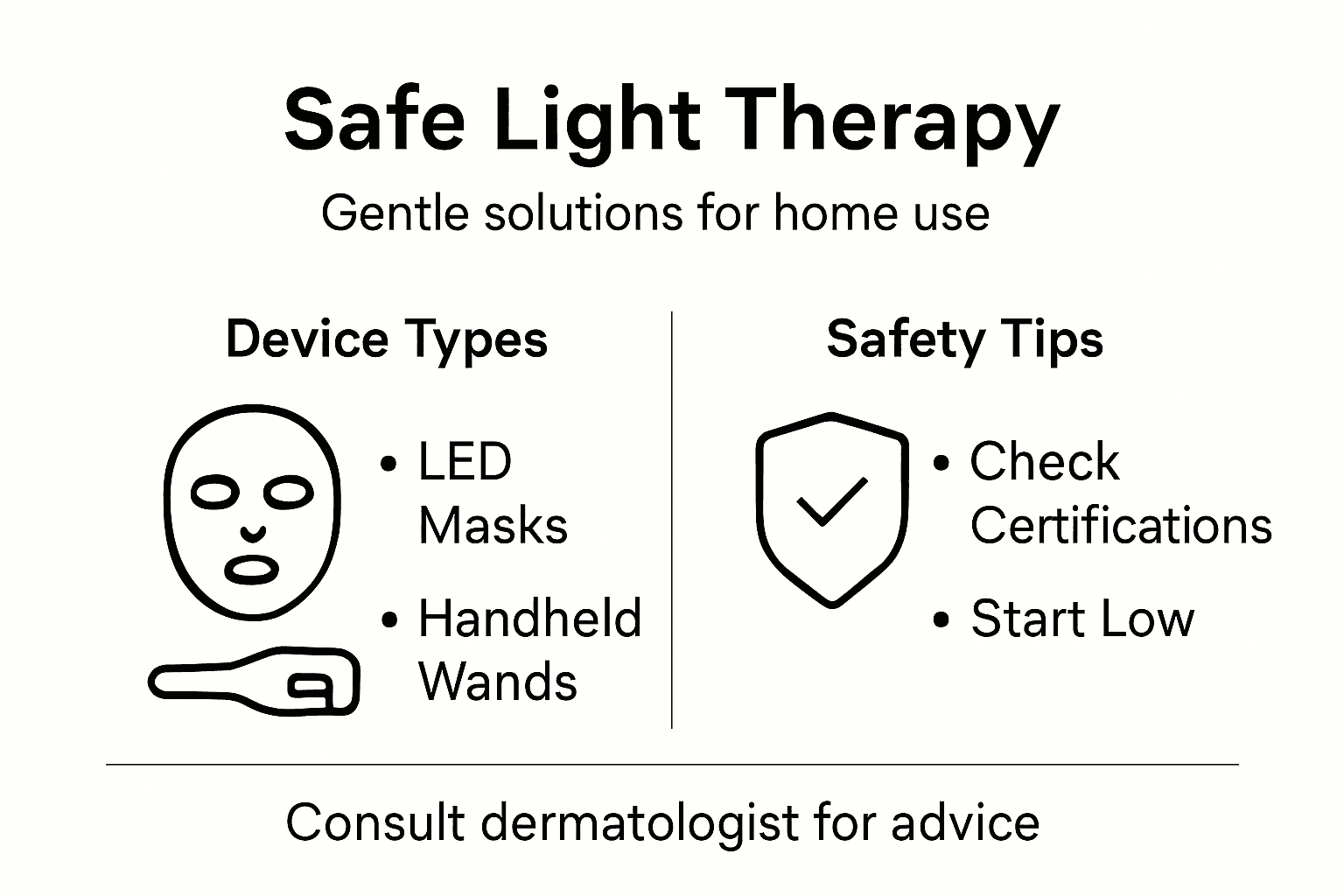
Here is a comparison of common light therapy device types for sensitive skin:
| Device Type | Intended Use | Coverage Area | Typical User Location |
|---|---|---|---|
| LED Mask | Full-face treatment | Entire face | Home or spa |
| Handheld Wand | Spot or small area relief | Localized spots | Home or travel |
| Panel | Multi-zone exposure | Face, neck, or torso | Home or clinic |
| Full-Body Bed | Whole-body wellness | Entire body | Professional clinics |
Device Selection Considerations:
- Treatment area size
- Specific skin concern
- Power and intensity requirements
- Portability and convenience
- Budget constraints
The technology behind these devices utilizes specialized LED configurations that emit specific wavelengths of light. Red and near-infrared light are particularly effective for sensitive skin, offering gentle yet powerful healing properties without causing additional irritation.
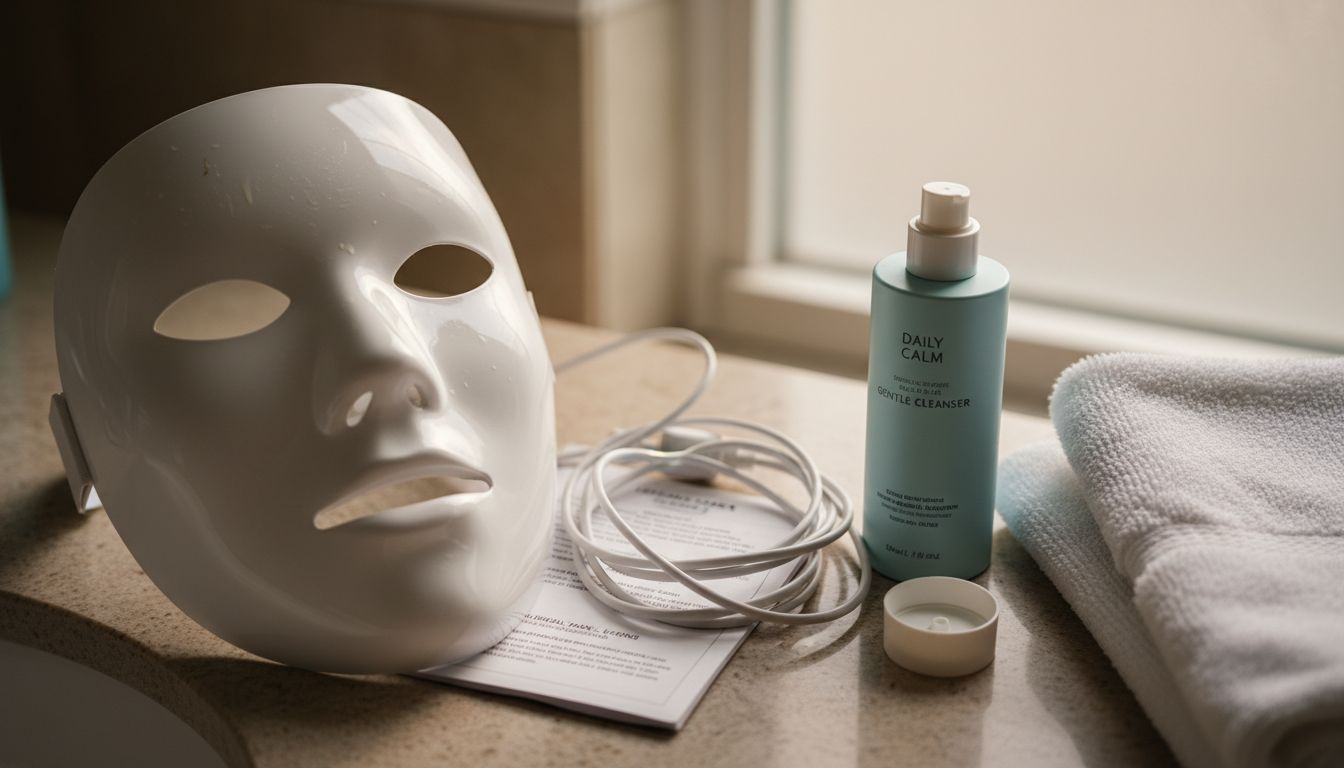
Pro tip: Start with lower-intensity devices and gradually increase treatment duration to allow your sensitive skin to adapt to light therapy gradually.
How Light Therapy Works on Sensitive Skin
Light therapy represents a sophisticated approach to skin healing that leverages specific wavelengths of light to stimulate cellular repair and regeneration. Cellular energy production occurs when targeted light penetrates deep into the skin’s layers, triggering natural healing mechanisms without causing additional irritation.
The mechanism of light therapy for sensitive skin involves several key biological processes:
- Stimulation of mitochondrial energy production
- Enhanced collagen synthesis
- Reduction of inflammatory responses
- Acceleration of tissue repair
- Promotion of cellular regeneration
Different light wavelengths interact uniquely with skin cells, creating targeted therapeutic effects. Specific light wavelengths penetrate skin at various depths, allowing precise treatment of inflammation, bacterial growth, and cellular damage.
Wavelength Interaction Mechanisms:
- Red Light (630-660 nm): Penetrates skin surface, stimulates collagen production
- Near-Infrared Light (810-850 nm): Reaches deeper tissue layers, reduces inflammation
- Blue Light (415-495 nm): Targets surface bacteria, helps manage acne and skin infections
This non-invasive approach ensures minimal stress on sensitive skin, making light therapy an ideal solution for individuals prone to irritation and inflammation. The technology works by gently encouraging natural healing processes without harsh chemical interventions.
Light therapy provides a gentle, scientifically-backed method of skin restoration that respects the delicate balance of sensitive skin.
Pro tip: Consult with a dermatologist to determine the most appropriate light wavelengths and treatment duration for your specific skin sensitivity and concerns.
Safety Protocols and Product Certifications
Light therapy device safety requires comprehensive understanding of regulatory standards and proper usage guidelines. Professional-grade devices undergo rigorous testing to ensure they meet strict safety requirements, particularly for individuals with sensitive skin conditions.
Key Safety Certification Requirements include:
- FDA clearance for medical devices
- CE marking for European market compliance
- Third-party laboratory testing
- Detailed manufacturing quality controls
- Comprehensive user safety documentation
Regulatory Compliance Standards:
- Medical-Grade Certification: Ensures device meets stringent health and safety regulations
- Wavelength Verification: Confirms light emissions remain within safe, therapeutic ranges
- Material Safety: Validates device construction using hypoallergenic and non-toxic materials
Product safety protocols are critical for preventing potential skin complications. At-home devices must provide clear instructions about proper usage, recommended exposure times, and potential contraindications.
This summary highlights key safety certifications and their focus areas for light therapy devices:
| Certification/Standard | Main Purpose | Focus Area |
|---|---|---|
| FDA Clearance | Medical device validation | Safety and efficacy |
| CE Marking | European market compliance | Quality and performance |
| Third-Party Testing | Independent product assessment | Emission and construction |
| Material Safety Check | Hypoallergenic, non-toxic validation | User skin compatibility |
Safety certifications protect consumers by ensuring light therapy devices meet rigorous medical standards and minimize potential risks.
Additional safety considerations for sensitive skin users include:
- Patch testing before full treatment
- Gradual introduction of light therapy
- Monitoring skin responses
- Using recommended protective eyewear
- Consulting dermatologists for personalized guidance
Pro tip: Always verify a device’s regulatory certifications and read manufacturer guidelines thoroughly before beginning any light therapy treatment.
Common Risks and How to Avoid Them
Light therapy side effects can vary depending on individual skin sensitivity and device usage. Understanding potential risks is crucial for safe and effective treatment, especially for those with delicate or reactive skin types.
Primary Risks Associated with Light Therapy:
- Temporary skin redness
- Mild inflammation
- Potential hypersensitivity reactions
- Uneven skin tone
- Minor skin dryness
Risk Mitigation Strategies:
- Start with minimal exposure times
- Conduct thorough patch testing
- Use lowest intensity settings initially
- Monitor skin responses carefully
- Discontinue use if adverse reactions occur
Sensitive skin protection requires careful attention to individual skin responses and potential long-term effects. Professional guidance can help minimize unexpected complications and ensure safe therapeutic outcomes.
Light therapy risks can be significantly reduced through proper usage, professional consultation, and careful monitoring of skin responses.
Contraindications for Light Therapy:
- Active skin infections
- Open wound areas
- Recent chemical peels
- Diagnosed skin cancer
- Extreme photosensitivity
- Certain autoimmune conditions
Preventative Monitoring Techniques:
- Document skin changes
- Photograph treatment areas weekly
- Record treatment duration and intensity
- Note any skin reactions or discomfort
- Maintain consistent skincare routine
Pro tip: Keep a detailed journal tracking your light therapy sessions, including device settings, duration, and any skin changes to help identify potential risks early.
Experience Safe and Effective Light Therapy for Sensitive Skin at Home
Struggling with sensitive skin that reacts easily to harsh treatments? You are not alone. This article emphasizes how specialized wavelengths like red and near-infrared light reduce inflammation and promote healing without causing irritation. At Lumilux, we understand your need for gentle yet powerful solutions. Our clinically proven, CE-certified PDT LED devices are engineered to deliver targeted light therapy that respects sensitive skin’s delicate balance.
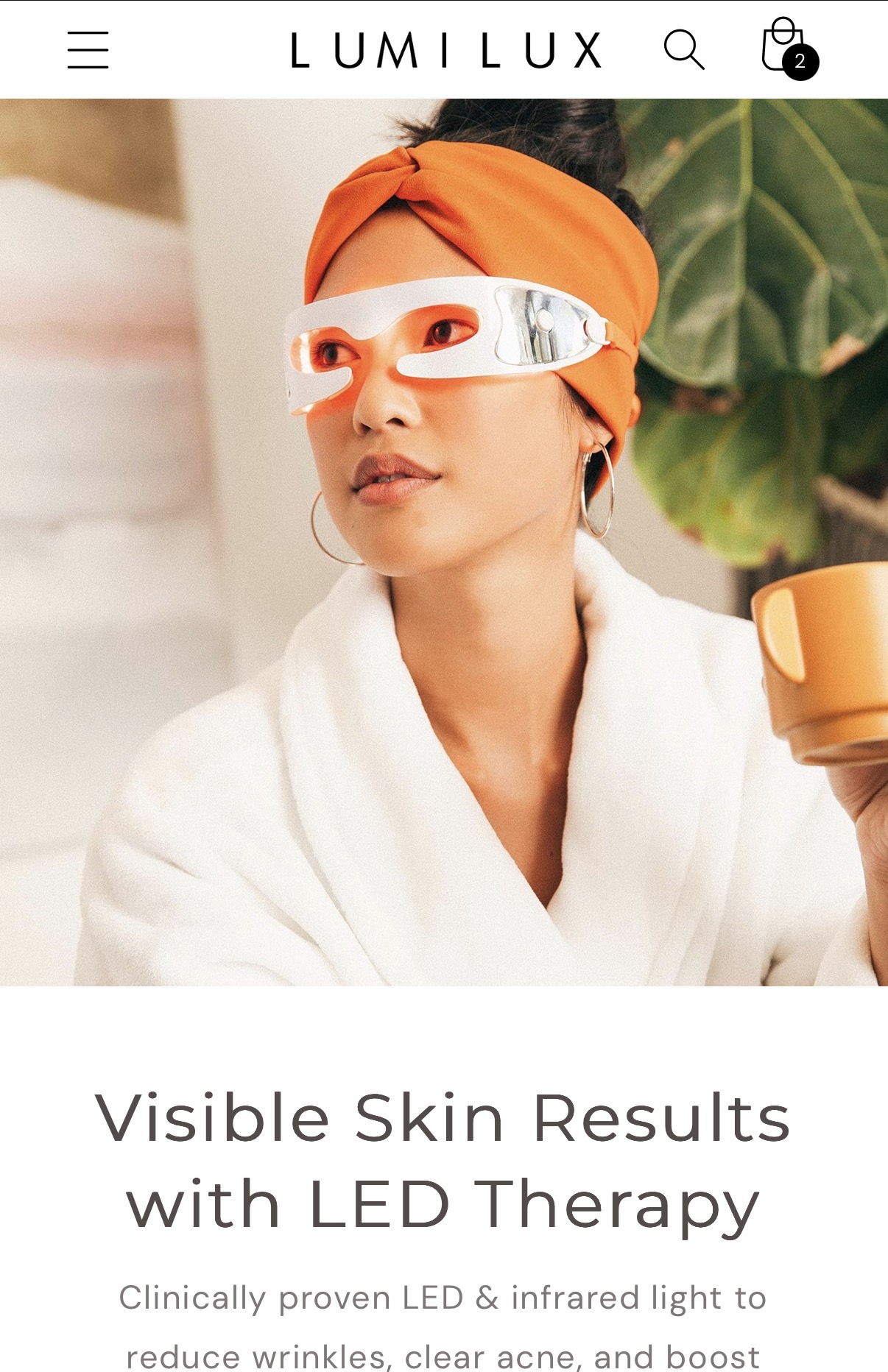
Discover how you can revitalize your skin with safe, dermatologist-inspired technology from the comfort of your home. Visit Lumilux Limited today for advanced light therapy options and expert guidance. Embrace radiant skin without compromising safety—start your journey now and see visible, lasting results.
Frequently Asked Questions
What is light therapy for sensitive skin?
Light therapy is a non-invasive treatment that uses specific wavelengths of light to address various skin concerns, promoting healing and reducing inflammation for sensitive skin.
How does light therapy work on sensitive skin?
Light therapy delivers targeted light energy into the skin layers, stimulating cellular repair, collagen production, and reducing inflammatory responses while minimizing irritation.
What types of light therapy devices are suitable for sensitive skin?
Common light therapy devices for sensitive skin include LED masks, handheld wands, panels, and full-body beds, each designed for specific treatment areas and skin concerns.
What precautions should I take when using light therapy for sensitive skin?
Start with lower-intensity settings, conduct patch tests, monitor your skin’s responses carefully, and consult a dermatologist to determine the appropriate wavelengths and treatment duration.