

Why At-Home Skin Treatments Matter Today
Finding reliable solutions for wrinkles, acne, or thinning hair can feel overwhelming, especially with so many devices now available. As more advanced technologies reach the homes of health-conscious women across Europe, at-home LED skincare devices promise the freedom to take control of personal skincare routines with clinically backed benefits. This article highlights how these innovative tools enable convenient, targeted treatment using the same principles trusted in clinics, while emphasising what truly sets modern home-use skin technologies apart.
Table of Contents
- Defining At-Home Skin Treatments And Technologies
- How Neon And Argon Wands Rejuvenate Skin
- Comparing At-Home And Professional Procedures
- Results, Safety, And Usage Guidelines Explained
- Common Errors And How To Avoid Them
Key Takeaways
| Point | Details |
|---|---|
| At-Home Skin Treatments | At-home skin technologies offer professional-grade treatments that empower users to manage their skincare conveniently and effectively. |
| Device Safety and Guidelines | Proper usage, including patch testing and adherence to manufacturer instructions, is essential to minimise risks and optimise results. |
| Comparative Effectiveness | While at-home devices enhance maintenance between professional treatments, they cannot fully replace the personalised care and stronger results achieved in clinical settings. |
| Common Mistakes to Avoid | Users should avoid excessive intensity settings, skipping patch tests, and neglecting sanitisation to enhance treatment effectiveness and protect skin health. |
Defining At-Home Skin Treatments and Technologies
At-home skin treatments represent a revolutionary approach to personal skincare, transforming how individuals manage and improve their skin health. These advanced technologies enable users to access professional-grade treatments from the comfort of their homes, replicating sophisticated clinical procedures through innovative devices and techniques.
Modern at-home skin technologies encompass a diverse range of cutting-edge solutions designed to address multiple dermatological concerns. Advanced diagnostic and therapeutic tools now empower consumers to monitor and treat skin conditions independently, previously restricted to clinical settings. These technologies include:
- LED light therapy devices targeting specific skin concerns
- High-frequency wands for skin rejuvenation
- Radiofrequency devices for wrinkle reduction
- Intense pulsed light (IPL) systems for hair removal
- Laser diode treatments for skin resurfacing
The emergence of home-based dermatological technologies has significant implications for personal skincare. Clinical trials demonstrate effectiveness across various conditions including acne treatment, hair removal, and anti-aging interventions. These devices offer unprecedented convenience, allowing users to perform professional-grade treatments without scheduling clinic appointments.
Here is a comparison of popular at-home skincare technologies and their main uses:
| Device Type | Primary Function | Typical Concern Addressed |
|---|---|---|
| LED light therapy | Stimulates cell activity | Acne and inflammation |
| High-frequency wand | Enhances circulation | Dullness, breakouts |
| Radiofrequency device | Heats tissue for tightening | Fine lines, sagging |
| IPL system | Disrupts hair growth | Unwanted facial/body hair |
| Laser diode treatment | Resurfaces outer layers | Textural irregularities |
However, users must approach these technologies with informed caution. While home devices provide remarkable accessibility, they require proper understanding, careful usage, and adherence to manufacturer guidelines to ensure optimal results and safety.
Pro tip: Always conduct a patch test and carefully read device instructions before beginning any at-home skin treatment to minimise potential adverse reactions.
How Neon and Argon Wands Rejuvenate Skin
Neon and argon wands represent an innovative approach to at-home skincare, offering advanced technology that transforms skin rejuvenation strategies. These remarkable devices harness the power of specific gas technologies to stimulate skin healing and restore youthful radiance through non-invasive treatments.
Light-based therapeutic devices work by emitting precise wavelengths that trigger critical cellular responses. The unique properties of neon and argon gases enable these wands to deliver targeted energy that promotes skin regeneration through multiple mechanisms:
- Collagen stimulation for improved skin elasticity
- Cellular metabolism enhancement
- Inflammation reduction
- Increased product absorption
- Accelerated skin repair processes
The scientific mechanism behind these wands involves delivering controlled energy directly into skin tissues. By utilising specific gas technologies, these devices can penetrate deeper skin layers, stimulating natural regeneration processes that traditional topical treatments cannot achieve.
Professional-grade skin rejuvenation technologies are now accessible from the comfort of your own home, bridging the gap between clinical treatments and personal skincare routines.
Understanding the nuanced interactions between neon, argon, and skin cells reveals why these wands have become increasingly popular. Home-use technologies offer a sophisticated alternative to conventional skincare methods, providing targeted interventions that support natural skin healing and restoration.
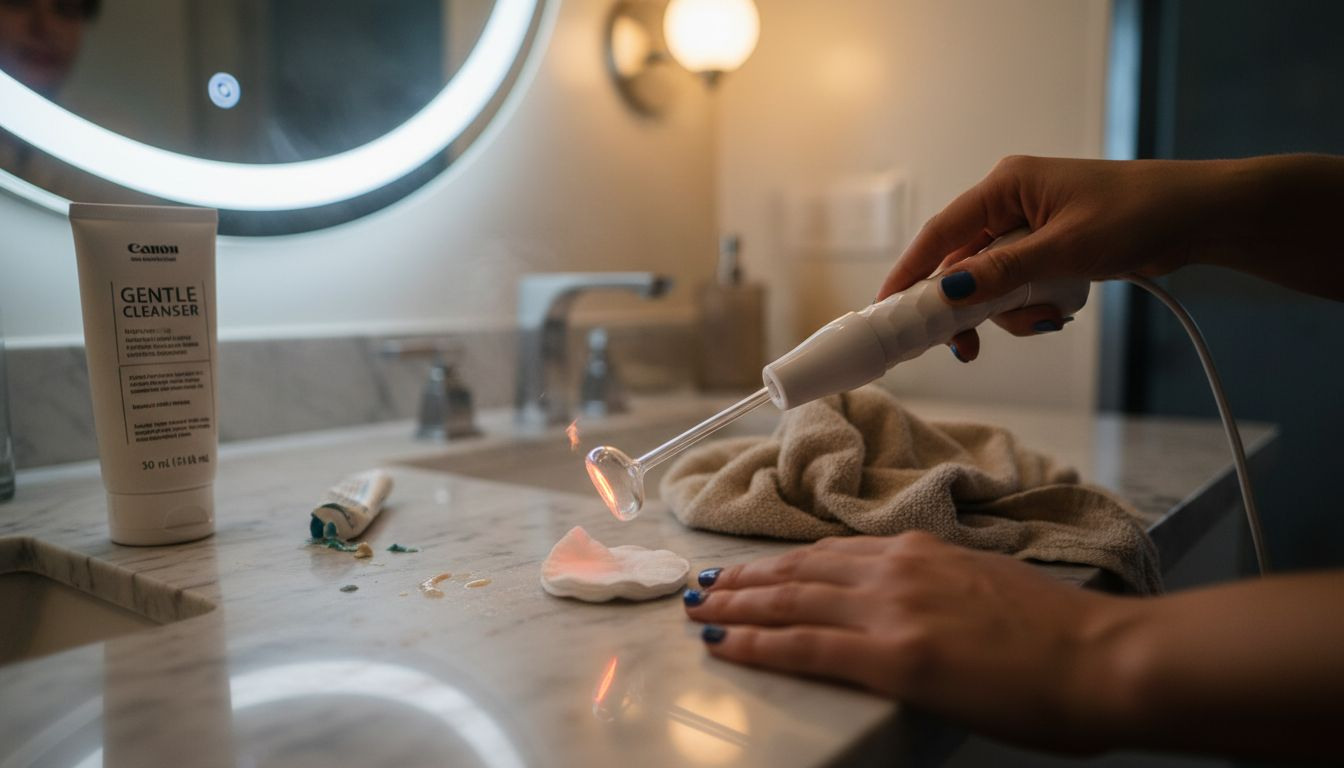
Pro tip: Clean your neon and argon wand thoroughly after each use and store in a cool, dry place to maintain optimal performance and device longevity.
Comparing At-Home and Professional Procedures
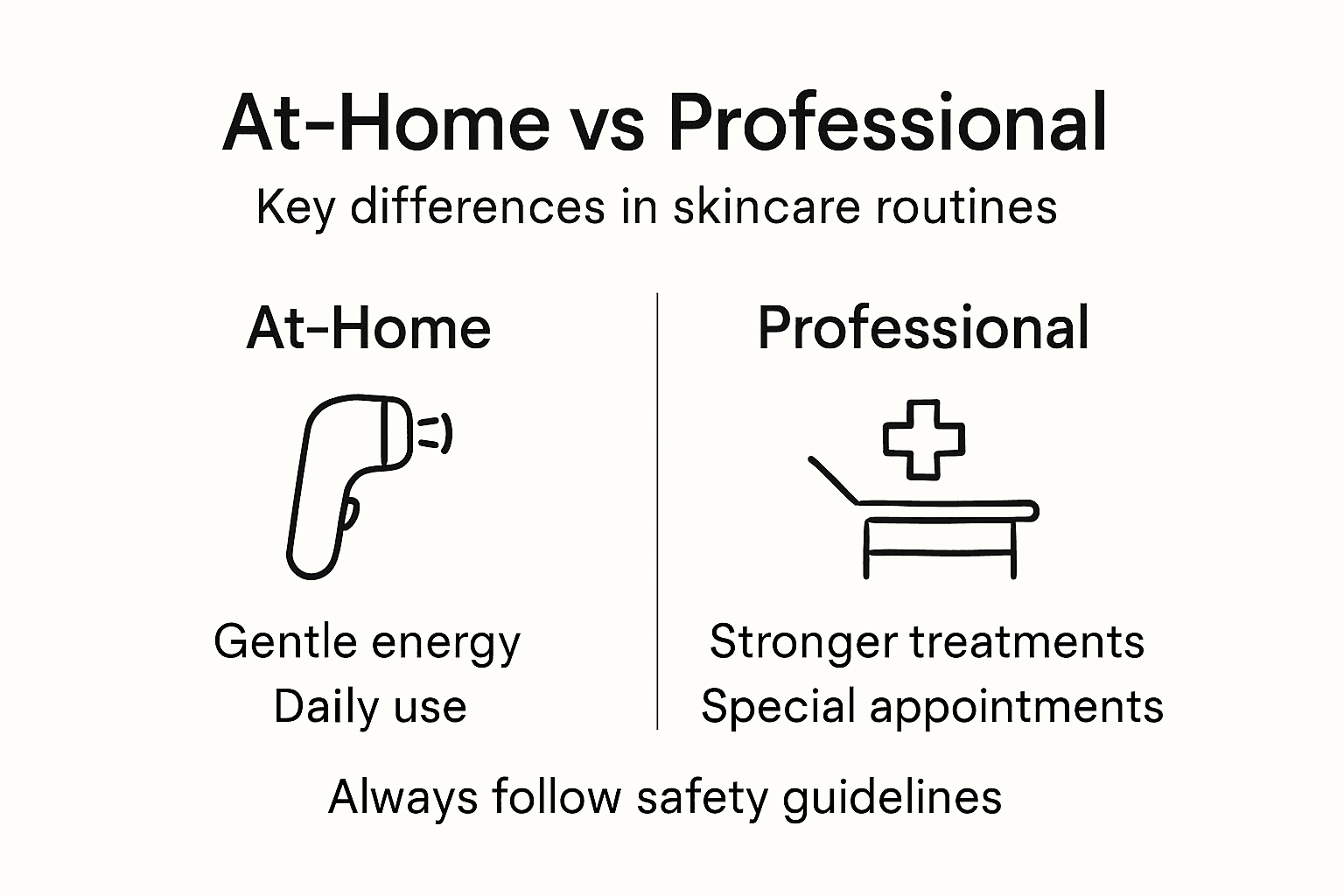
The landscape of skincare treatments has dramatically evolved, with at-home devices offering unprecedented accessibility to advanced skin rejuvenation technologies. Home skin care devices provide convenient alternatives to traditional clinical procedures, though they come with distinct limitations and advantages.
Key differences between professional and at-home treatments include:
- Energy intensity varying significantly between clinical and home devices
- Diagnostic precision of professional evaluations
- Personalisation levels in treatment approaches
- Long-term effectiveness and sustained results
- Safety monitoring and expert oversight
Professional treatments remain superior in several critical aspects. Dermatologic interventions offer higher energy outputs and comprehensive diagnostic assessments that home devices cannot replicate. Clinical procedures are tailored to individual skin conditions, providing targeted interventions with immediate and more dramatic results.
At-home devices serve as excellent maintenance tools, complementing professional treatments rather than completely replacing them.
At-home technologies work best when viewed as supportive mechanisms for ongoing skincare. They excel at gentle, consistent maintenance between professional sessions, offering users an accessible method to support skin health without significant financial investment or invasive procedures.
Pro tip: Consult a dermatologist annually to understand how your at-home skincare routine can be optimised alongside professional treatments.
Results, Safety, and Usage Guidelines Explained
Navigating the world of at-home skin treatment technologies requires a comprehensive understanding of potential results, safety considerations, and precise usage protocols. Clinical trials demonstrate that these innovative devices can produce remarkable improvements when used correctly and responsibly.
Key safety considerations and usage guidelines include:
- Skin sensitivity testing before full treatment
- Patch testing for potential allergic reactions
- Device-specific instructions carefully followed
- Treatment frequency limitations
- Sanitisation protocols for device maintenance
Successful outcomes depend on understanding individual skin characteristics and implementing a structured approach. Users must recognise that home devices offer gradual, progressive improvements rather than immediate dramatic transformations. Consistency, patience, and adherence to recommended protocols are fundamental to achieving desired results.
Professional-grade technologies require disciplined, informed usage to maximise potential benefits and minimise potential risks.
Users should maintain realistic expectations, understanding that at-home devices complement professional treatments rather than completely replacing them. Monitoring skin responses, documenting progress, and consulting dermatological professionals periodically can help optimise treatment effectiveness and ensure ongoing skin health.
Pro tip: Maintain a detailed skincare journal documenting device usage, skin reactions, and observable changes to track your progress and identify potential areas of improvement.
Common Errors and How to Avoid Them
Common skin treatment device errors can significantly compromise treatment effectiveness and potentially damage skin. Understanding these pitfalls is crucial for safe and successful at-home skincare interventions.
Most frequent mistakes users encounter include:
- Incorrect device intensity settings
- Skipping patch tests before full treatment
- Inconsistent treatment frequencies
- Neglecting device sanitisation
- Ignoring specific skin contraindications
- Combining incompatible treatments
Professional dermatological insights reveal that many errors stem from overenthusiasm and insufficient understanding of device capabilities. Users often apply treatments too aggressively, believing more intensity equals faster results. In reality, gradual, consistent approaches yield superior outcomes.
Patience and precision matter more than aggressive treatment strategies.
Effective skin treatment requires a measured, informed approach. Dermatological experts recommend careful adherence to manufacturer guidelines, starting with lowest settings, and incrementally adjusting based on individual skin responses. Consultation with skincare professionals can provide personalised guidance tailored to specific skin needs.
The following table highlights strategies to avoid common at-home skin treatment errors:
| Common Mistake | Best Practice to Prevent | Potential Consequence if Ignored |
|---|---|---|
| Excessive device intensity | Start with lowest setting | Redness, irritation or burns |
| Skipping patch tests | Always perform patch test first | Allergic reaction or sensitivity |
| Poor sanitisation | Clean after every use | Device contamination, infections |
| Inconsistent routine | Stick to recommended schedule | Incomplete or minimal improvements |
Pro tip: Create a detailed treatment log documenting device settings, skin reactions, and recovery periods to develop a nuanced understanding of your unique skincare requirements.
Empower Your Skincare Routine with Advanced At-Home Solutions
The article highlights the growing importance of at-home skin treatments to deliver professional-grade care with convenience and safety. If you are seeking targeted solutions that address concerns like wrinkles, acne, and inflammation while embracing innovative technologies such as LED light therapy then exploring our PDT LED - Lumilux collection is the perfect next step. These thoughtfully engineered devices support skin regeneration and rejuvenation as described in the article.
Experience visible results safely from your home with Lumilux where expertly engineered skincare meets simplicity. Browse our IPL - Lumilux systems for hair removal and skin texture improvement or our relaxing Massagers - Lumilux to enhance circulation and skin radiance. Take control of your personal wellness journey today by visiting https://lumiluxlimited.com and start redefining your skincare routine with confidence.
Frequently Asked Questions
What are at-home skin treatments?
At-home skin treatments are advanced technologies and devices that allow individuals to perform professional-grade skincare procedures in the comfort of their own homes. These include LED light therapy, high-frequency wands, radiofrequency devices, and more, aimed at addressing various skin concerns.
How effective are at-home skin treatment devices compared to professional treatments?
At-home devices can be effective for maintenance and gentle rejuvenation, but they generally offer lower energy outputs and diagnostic precision than professional treatments. They are best used to complement, rather than replace, clinical skincare procedures.
What precautions should I take when using at-home skincare devices?
Always conduct patch tests before full treatment, follow device-specific instructions carefully, maintain proper sanitisation practices, and consult a dermatologist if unsure about your skin’s suitability for certain treatments.
How do neon and argon wands benefit skin rejuvenation?
Neon and argon wands utilise light-based therapeutic technology to stimulate collagen production, enhance cellular metabolism, reduce inflammation, and improve product absorption, leading to healthier and rejuvenated skin.