

What Is LED Therapy: Transforming Skin and Hair
Finding gentle yet effective ways to rejuvenate skin and tackle stubborn acne can feel challenging, especially for busy British and Canadian women who value both convenience and science-backed solutions. LED therapy stands out with its unique ability to stimulate cellular activity using targeted light wavelengths, offering a non-invasive treatment method that suits home use. This article demystifies how LED devices work, untangles myths, and explores practical options for anti-ageing and acne care, tailored specifically for women prioritising health and technology.
Table of Contents
- LED Therapy Defined: Science And Misconceptions
- Types Of LED Therapy And Key Benefits
- How LED Devices Work For Skin And Scalp
- Safety, Side Effects And Common Pitfalls
- Choosing At-Home Devices: LED Hair Growth Comb
Key Takeaways
| Point | Details |
|---|---|
| LED Therapy is Non-Invasive | Unlike traditional treatments, LED therapy does not involve surgery or needles, making it a gentler alternative. |
| Wavelength Variability is Important | Different wavelengths serve specific purposes, so selecting the correct one is crucial for treating individual skin or hair conditions. |
| Consult Professionals | Always seek advice from dermatological experts before starting LED therapy to ensure personalised and effective treatment plans. |
| Regulatory Standards Matter | Choose devices that are clinically validated and certified to ensure safety and optimal results. |
LED Therapy Defined: Science and Misconceptions
LED therapy represents a groundbreaking approach to non-invasive skin and hair treatment, utilising specific wavelengths of light to stimulate cellular processes. Unlike traditional medical interventions, this technology offers a gentle yet sophisticated method for addressing various dermatological concerns.
The scientific mechanism behind LED therapy involves photobiomodulation principles that trigger precise biological responses. By emitting targeted light spectra, these devices can penetrate tissue layers, stimulating cellular regeneration and metabolic activity without causing thermal damage. The technology differs fundamentally from laser treatments through its non-coherent light emission, which provides broader, more uniform coverage.
Key characteristics of LED therapy include:
- Non-invasive treatment method
- Minimal side effects compared to traditional interventions
- Ability to target specific skin and hair concerns
- Versatile wavelength options (red, blue, yellow)
Despite its promising potential, LED therapy faces scientific scrutiny due to inconsistent research methodologies. Dermatological studies highlight variations in wavelength application, dosage reporting, and treatment protocols. These inconsistencies have led to misconceptions about the therapy’s effectiveness, underscoring the need for standardised research approaches.
Common Misconceptions About LED Therapy:
- LED light is the same as laser treatment
- Results are instantaneous
- One wavelength works for all skin conditions
- Home devices are as powerful as professional equipment
Scientific validation requires rigorous, controlled studies that demonstrate repeatable outcomes across diverse patient populations. Researchers continue investigating the precise cellular mechanisms and long-term benefits of this innovative therapeutic approach.
Pro tip: Always consult a dermatological professional before starting any LED therapy regimen to ensure personalised treatment alignment with your specific skin or hair concerns.
Here is a comparison of LED therapy with traditional dermatological interventions to clarify their key differences:
| Aspect | LED Therapy | Traditional Treatments |
|---|---|---|
| Invasiveness | Completely non-invasive | May involve needles or surgery |
| Pain or Discomfort | Minimal or none | Can be significant |
| Recovery Time | No downtime required | Often requires recovery |
| Side Effects Risk | Very low | Higher, may include scarring or infection |
| Suitable for Home Use | Yes, with guidelines | Usually not |
Types of LED Therapy and Key Benefits
LED therapy represents a sophisticated approach to skin and hair treatment, offering multiple wavelength options that target specific physiological concerns. Distinct light wavelengths provide unique therapeutic benefits across various dermatological and cosmetic applications, making this technology a versatile solution for multiple health challenges.
The primary types of LED therapy are categorised by their specific wavelength ranges, each delivering distinctive cellular responses:
- Red Light (620-700 nm): Stimulates collagen production and enhances cellular repair
- Near-Infrared Light (700-900 nm): Penetrates deeper tissues, supporting wound healing and reducing inflammation
- Blue Light (450-495 nm): Targets acne-causing bacteria and regulates sebum production
- Yellow Light (570-590 nm): Promotes lymphatic drainage and reduces skin redness
Each wavelength interacts uniquely with biological tissues, triggering specific metabolic responses. Comprehensive studies demonstrate multiple therapeutic mechanisms including mitochondrial stimulation, enhanced cellular energy production, and improved tissue regeneration.
For easy reference, here is a summary of common LED wavelengths and their applications:
| Wavelength Type | Typical Range (nm) | Main Skin/Hair Application |
|---|---|---|
| Red Light | 620-700 | Collagen boosting, anti-ageing |
| Near Infrared | 700-900 | Wound healing, inflammation relief |
| Blue Light | 450-495 | Acne and bacteria control |
| Yellow Light | 570-590 | Redness reduction, lymphatic support |
Key Benefits of LED Therapy:
- Non-invasive treatment approach
- Minimal risk of side effects
- Supports natural healing processes
- Versatile applications across skin and hair concerns
- Can be used in conjunction with other treatments
By targeting specific cellular mechanisms, LED therapy offers a scientifically grounded method for addressing diverse health and aesthetic challenges without invasive procedures.
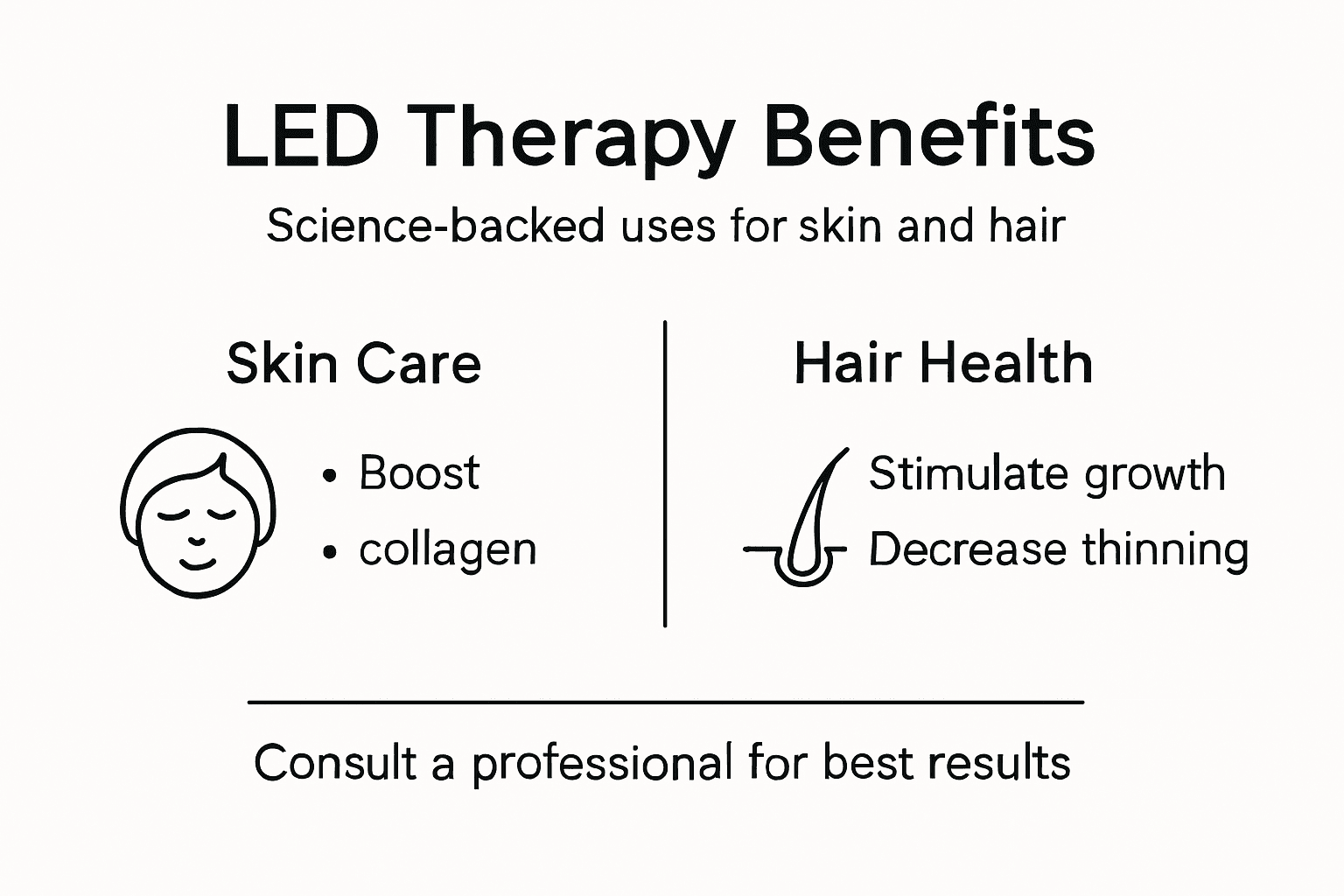
Pro tip: Consult a professional to determine the most appropriate LED wavelength for your specific skin or hair condition, ensuring personalised and effective treatment.
How LED Devices Work for Skin and Scalp
LED therapy harnesses sophisticated light-based technology to stimulate cellular regeneration and healing processes within skin and scalp tissues. Photobiomodulation mechanisms activate deep cellular responses, transforming how we approach non-invasive skin and hair treatments.
The fundamental principle behind LED devices involves precise light wavelength interactions with biological tissues. When specific light spectra penetrate the skin, they trigger complex cellular responses by targeting key molecular structures:
- Chromophore Activation: Light is absorbed by cellular proteins and mitochondrial components
- Energy Production: Stimulates increased adenosine triphosphate (ATP) generation
- Cellular Signaling: Triggers metabolic pathways supporting repair and regeneration
- Inflammation Reduction: Modulates inflammatory responses at the cellular level
These devices work by delivering targeted light energy that penetrates different tissue depths, with each wavelength producing unique physiological effects. The light interacts directly with mitochondria, essentially ‘instructing’ cells to enhance their natural healing and regeneration processes.
Key Cellular Interaction Mechanisms:
- Increases cellular metabolism
- Promotes collagen production
- Supports natural tissue repair
- Enhances blood circulation
- Reduces oxidative stress
By precisely controlling light wavelength and intensity, LED devices can address a wide range of skin and scalp concerns without invasive interventions, offering a scientifically grounded approach to personal care and regeneration.

Pro tip: Consistent and correct usage of LED devices is crucial; always follow manufacturer guidelines and consult skincare professionals for personalised treatment protocols.
Safety, Side Effects and Common Pitfalls
LED therapy offers a promising non-invasive treatment approach, but understanding its safety parameters is crucial for responsible usage. Regulatory bodies emphasise careful device selection to ensure optimal therapeutic outcomes and minimise potential risks.
While LED therapy is generally considered safe, users should be aware of potential side effects and common misconceptions:
Potential Minor Side Effects:
- Temporary skin redness
- Mild sensitivity
- Short-term eye strain
- Potential skin irritation
- Minimal heat sensation
Common Pitfalls to Avoid:
- Using unverified or low-quality devices
- Incorrect wavelength selection
- Inappropriate treatment duration
- Ignoring individual skin sensitivities
- Overusing LED therapy
Scientific research indicates that inconsistent application poses potential treatment challenges, highlighting the importance of understanding precise dosage and wavelength requirements. Professional guidance can help mitigate risks and maximise therapeutic potential.
LED therapy is non-invasive, but professional consultation ensures personalised, safe treatment protocols.
Individual responses to LED therapy can vary, making personalised approaches essential. Factors such as skin type, existing conditions, and treatment goals significantly influence the therapy’s effectiveness and safety.
Pro tip: Always conduct a patch test and consult a healthcare professional before starting any new LED therapy regimen, especially if you have sensitive skin or pre-existing dermatological conditions.
Choosing At-Home Devices: LED Hair Growth Comb
At-home LED hair growth technology offers a promising solution for individuals experiencing hair thinning or seeking to improve scalp health. Advanced LED hair devices target follicular regeneration through precise light wavelength applications, providing a non-invasive alternative to traditional hair restoration methods.
When selecting an LED hair growth comb, consider these critical factors:
Key Selection Criteria:
- Wavelength specifications (preferably 620-660 nm red light)
- Power density and intensity levels
- Battery life and charging capabilities
- Ergonomic design
- Clinical validation
- FDA or CE certification
The scientific mechanism behind LED hair growth combs involves stimulating cellular energy production within hair follicles. Near-infrared light enhances metabolic processes that support hair growth, improving blood circulation and reducing inflammation in the scalp.
Critical Considerations for Effective Use:
- Consistent treatment duration (10-20 minutes per session)
- Regular usage frequency (2-3 times weekly)
- Proper scalp preparation
- Tracking progress through photography
- Patience with treatment outcomes
Professional-grade devices offer more reliable results compared to generic consumer products.
Individual responses vary, making personalised approaches essential. Factors such as age, underlying health conditions, and genetic predisposition significantly influence treatment effectiveness.
Pro tip: Consult a trichology professional before starting LED hair growth treatments to ensure the device matches your specific hair and scalp requirements.
Discover the Power of LED Therapy for Skin and Hair Transformation
If you are looking to address common concerns like wrinkles, acne, inflammation or hair loss through a safe and non-invasive method LED therapy offers a revolutionary solution backed by science. This therapy targets specific skin and scalp issues by stimulating cellular processes for natural healing and renewed vitality. At Lumilux Limited, we specialise in clinically proven CE-certified devices designed for effective at-home use bringing professional-grade treatment within your reach.
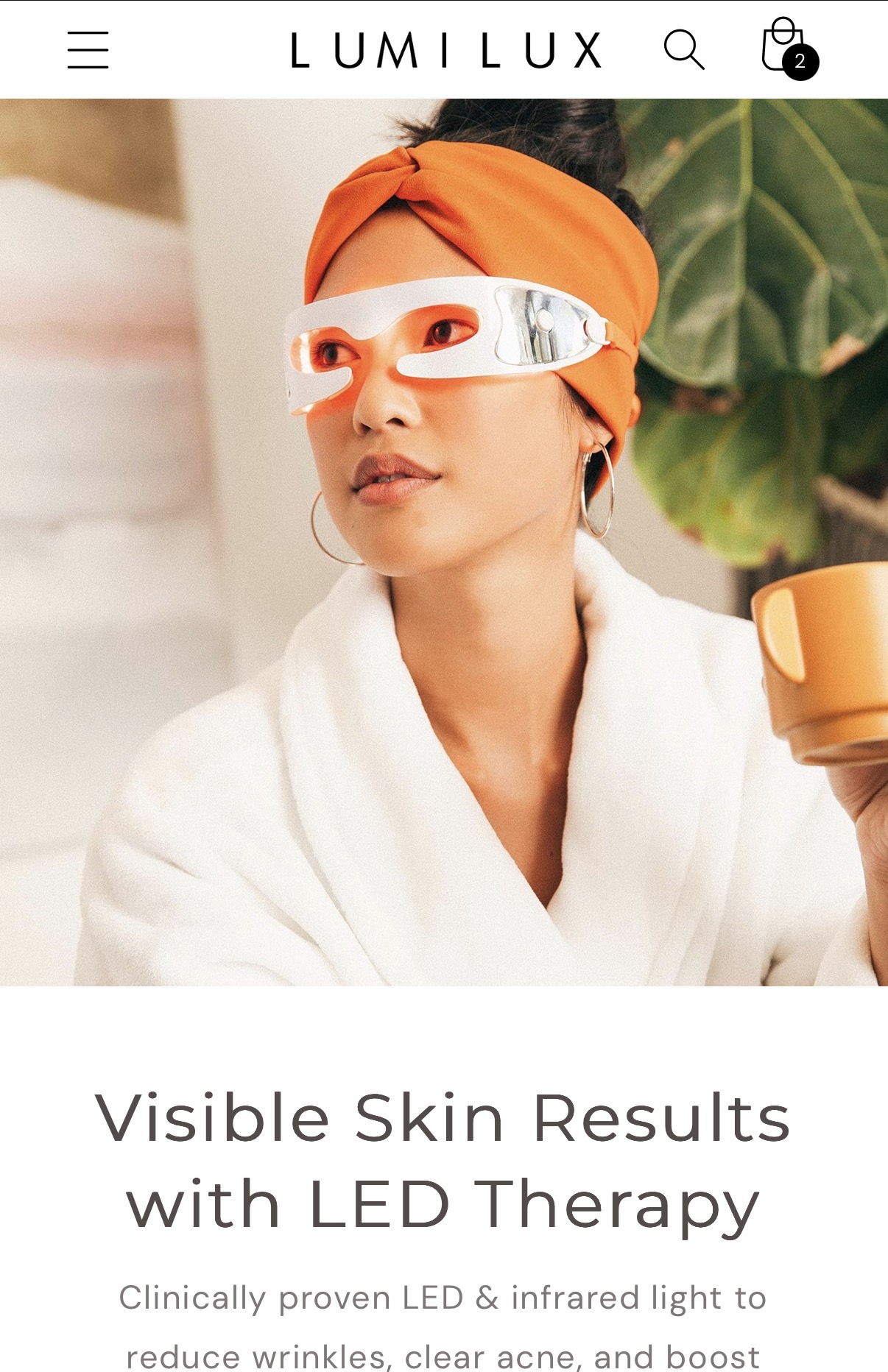
Experience the benefits of advanced technology with our selection of PDT LED devices that precisely deliver wavelengths tailored to your skin and hair needs. Pair them with expertly designed Massagers or our innovative Hair Accessories to elevate your self-care regimen. Don’t delay your journey towards healthier skin and fuller hair take the first step today by exploring our full range at Lumilux Limited and transform your routine with confidence.
Frequently Asked Questions
What is LED therapy and how does it work?
LED therapy is a non-invasive treatment that uses specific wavelengths of light to stimulate cellular processes in the skin and hair. It works by penetrating tissue layers to promote cellular regeneration and metabolic activity without causing thermal damage.
What are the different types of LED therapy and their benefits?
LED therapy uses various wavelengths, each providing distinct benefits: Red light enhances collagen production; Near-infrared light supports wound healing; Blue light targets acne-causing bacteria; and Yellow light reduces skin redness.
Are there any side effects associated with LED therapy?
LED therapy is generally safe with minimal side effects, such as temporary skin redness, mild sensitivity, and short-term eye strain. It’s crucial to use verified devices and follow proper protocols to minimise risks.
How do I choose the right at-home LED device for hair growth?
When selecting an LED hair growth device, consider wavelengths (ideally 620-660 nm for red light), power density, battery life, ergonomic design, clinical validation, and certifications like FDA or CE to ensure efficacy and safety.