

Infrared vs LED Skincare: Visible Results at Home
Finding safe and effective solutions for radiant skin often feels like a challenge, especially when balancing busy routines with personal wellness. Modern at-home devices powered by photobiomodulation now bring professional-quality infrared and LED therapies into everyday routines for British and Canadian women. These non-invasive technologies support natural skin rejuvenation, offering visible relief from acne and early signs of aging without discomfort or downtime.
Table of Contents
- Infrared And LED Skincare Explained
- How Infrared And LED Devices Work
- Key Differences Between Infrared And LED
- Real-World Uses For Home Skincare
- Benefits And Safety Of Device Therapy
- Choosing The Right Lumilux Device
Key Takeaways
| Point | Details |
|---|---|
| Infrared and LED Technologies | Both infrared and LED light therapies offer effective, non-invasive options for skin rejuvenation, but differ in penetration depth and the skin concerns they address. |
| Treatment Goals | Infrared therapy targets deeper tissue issues while LED devices are better suited for surface-level concerns like acne and pigmentation. |
| Safety and Benefits | Light therapy devices are generally safe, with minimal side effects, and are FDA-cleared for use, making them suitable for at-home skincare routines. |
| Choosing Devices | Selecting the right device depends on individual skin goals; users should consider factors such as desired outcome, treatment area, and device specifications. |
Infrared and LED skincare explained
Modern skincare technology has revolutionized at-home beauty treatments, with infrared and LED light therapy emerging as powerful non-invasive solutions for skin rejuvenation. Photobiomodulation techniques utilize specific light wavelengths to stimulate cellular repair and regeneration, offering unprecedented opportunities for skin health management.
These advanced therapies work by targeting different skin layers through precise light wavelengths. LED light therapy typically uses visible colored lights to address specific skin concerns:
- Red light: Stimulates collagen production
- Blue light: Targets acne-causing bacteria
- Green light: Reduces hyperpigmentation
- Near-infrared light: Penetrates deeper skin layers
Infrared therapy takes this approach further by penetrating deeper into skin tissues. Red light therapy specifically activates mitochondria within skin cells, reducing inflammation and promoting natural healing processes.
The primary differences between infrared and LED technologies lie in their depth of penetration and cellular interaction. While LED treatments work more superficially, infrared light can reach deeper dermal layers, potentially offering more comprehensive skin rejuvenation benefits. Both methods share a common goal: stimulating cellular regeneration without invasive procedures.
Pro tip: Always start with shorter treatment sessions and gradually increase duration to allow your skin to adapt to light therapy technologies.
How infrared and LED devices work
At-home skincare devices leveraging infrared and LED technologies represent a sophisticated approach to personal skin health management. These innovative tools operate on precise scientific principles, transforming light energy into cellular regeneration mechanisms. Infrared therapy workflow allows users to replicate professional-grade treatments from the comfort of their homes.
The core functionality of these devices revolves around targeted light wavelength interactions with skin cells. Different light spectrums produce unique biological responses:
- Red light (630-660 nm): Stimulates collagen production
- Blue light (415-495 nm): Eliminates acne-causing bacteria
- Near-infrared light (810-850 nm): Penetrates deeper tissue layers
- Green light (495-570 nm): Helps reduce skin pigmentation
Technically, these devices convert electrical energy into specific light wavelengths that penetrate skin at varying depths. Infrared devices typically use heat-generating wavelengths that reach deeper dermal layers, while LED devices work more superficially by triggering cellular communication and repair processes.
The mechanisms involve photobiomodulation - a process where light energy stimulates mitochondrial activity, enhancing cellular metabolism and promoting natural healing. Different wavelengths trigger specific cellular responses, from reducing inflammation to boosting collagen synthesis, making these devices powerful tools for comprehensive skin rejuvenation.
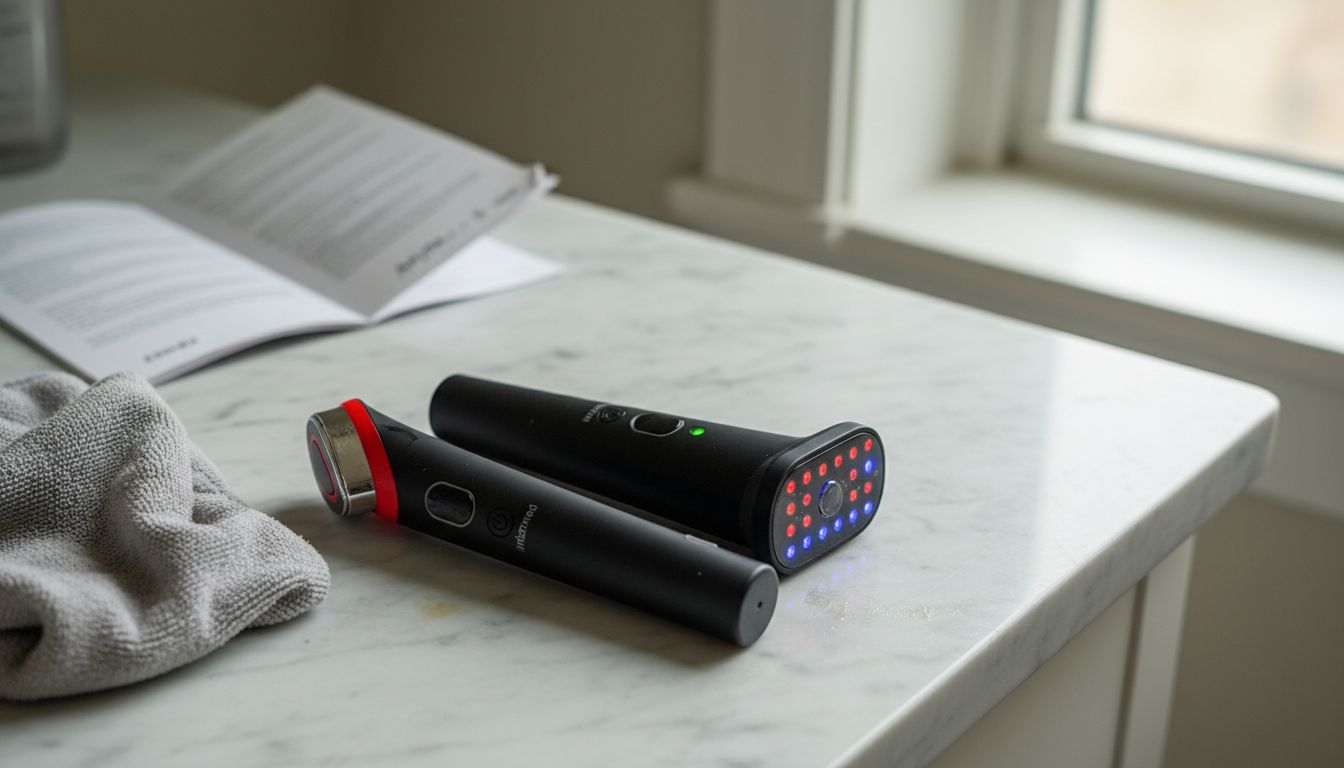
Pro tip: Clean your LED or infrared device thoroughly after each use and follow manufacturer guidelines to maintain optimal performance and hygiene.
Use this reference to understand which light color or wavelength addresses specific skin goals:
| Light Type | Targeted Skin Issue | Key Mechanism |
|---|---|---|
| Red (630–660 nm) | Wrinkles, elasticity | Collagen synthesis stimulation |
| Blue (415–495 nm) | Acne, bacteria | Disrupts acne-causing microorganisms |
| Green (495–570 nm) | Pigmentation, redness | Balances melanin and calms skin |
| Near-Infrared | Deep healing, recovery | Activates mitochondria, reduces inflammation |
Key differences between infrared and LED
Understanding the nuanced distinctions between infrared and LED skincare technologies is crucial for selecting the most effective treatment for your specific skin concerns. Infrared facial treatments represent a sophisticated approach to targeted skin rejuvenation, offering unique benefits that set them apart from traditional LED methods.
The primary differences between infrared and LED technologies can be categorized across several key dimensions:
-
Penetration Depth:
- Infrared: Reaches deeper dermal layers (up to 3-4 mm)
- LED: Primarily works on superficial skin layers (0.5-1 mm)
-
Heat Generation:
- Infrared: Produces gentle heat that stimulates circulation
- LED: Typically operates at ambient temperature
-
Cellular Interaction:
- Infrared: Stimulates mitochondrial activity and deep tissue repair
- LED: Triggers surface-level cellular communication and repair processes
While both technologies aim to enhance skin health, infrared devices excel at addressing deeper structural skin concerns such as collagen production and tissue regeneration. LED devices, conversely, are more targeted toward surface-level issues like acne reduction, pigmentation, and minor inflammation.
The wavelength specificity further distinguishes these technologies. Infrared devices typically operate in the 810-850 nm range, enabling deeper tissue penetration and more comprehensive cellular stimulation. LED devices utilize multiple wavelengths (ranging from 415-660 nm), each targeting specific skin concerns with precision and minimal invasiveness.
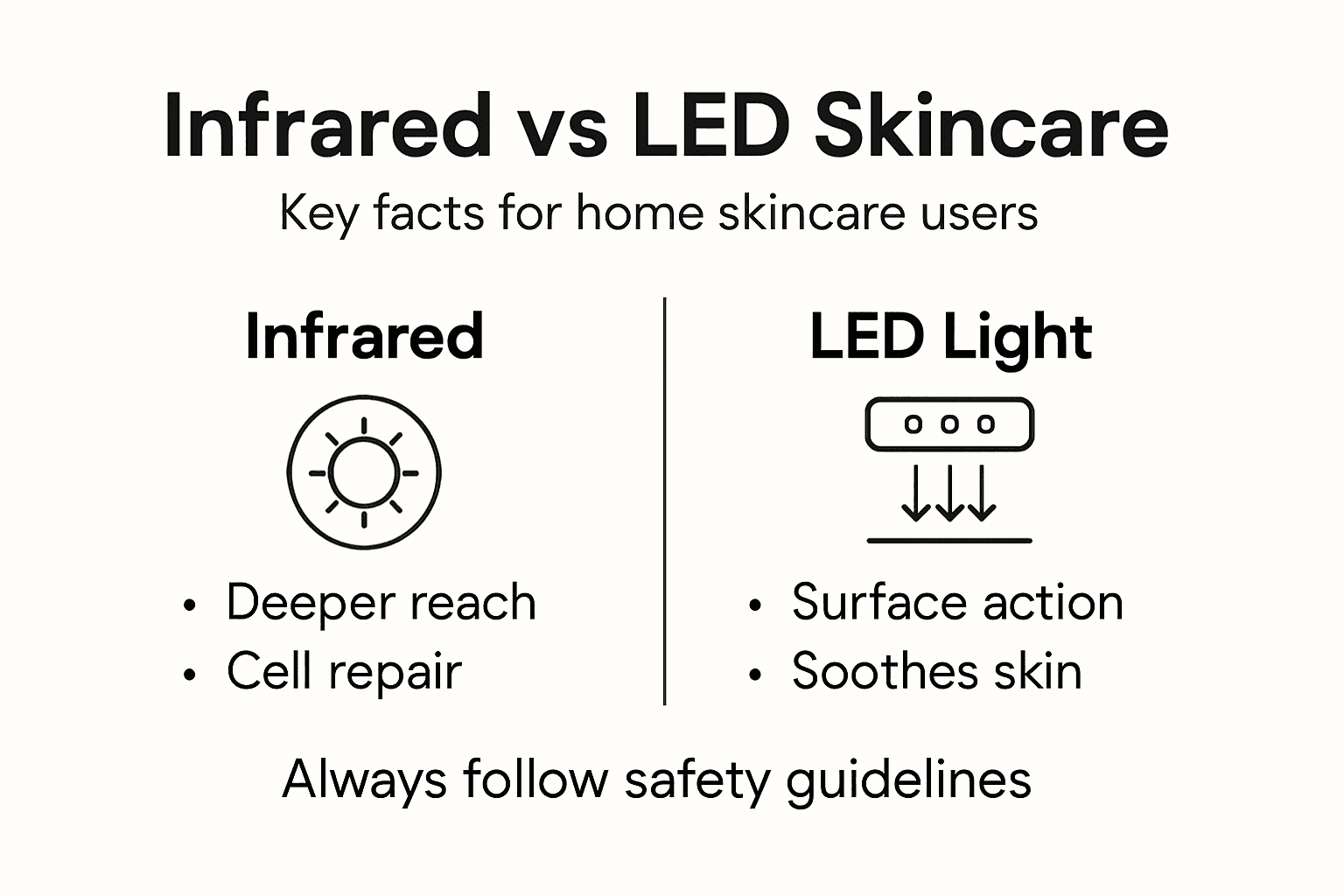
Here’s a quick comparison to help you choose the right light therapy for your skin concerns:
| Technology | Best For | Penetration Depth | Typical Wavelengths |
|---|---|---|---|
| LED Light Therapy | Surface issues: acne, tone | 0.5–1 millimeters | 415–660 nm |
| Infrared Therapy | Deep tissue renewal, aging | Up to 3–4 millimeters | 810–850 nm |
Pro tip: Consult with a skincare professional to determine which light therapy technology best matches your specific skin goals and concerns.
Real-world uses for home skincare
At-home skincare technologies have transformed personal wellness strategies, offering unprecedented opportunities for targeted skin rejuvenation. Skin rejuvenation therapies provide individuals with professional-grade treatments that can be seamlessly integrated into daily routines, addressing a wide range of skin concerns without clinical interventions.
The practical applications of home skincare devices span multiple skin health objectives:
-
Anti-Aging Treatments:
- Reducing fine lines and wrinkles
- Improving skin elasticity
- Stimulating collagen production
-
Acne Management:
- Reducing active breakouts
- Minimizing inflammation
- Preventing future acne development
-
Healing and Repair:
- Accelerating wound healing
- Minimizing scar appearance
- Supporting skin regeneration processes
These advanced technologies leverage precise light wavelengths to trigger cellular-level transformations. Infrared and LED devices can address pigmentation issues, promote even skin tone, and enhance overall skin texture with consistent, targeted treatments.
Scientific research indicates that home skincare devices offer remarkable potential. The key to success lies in understanding device specifications, maintaining consistent usage, and selecting technologies tailored to individual skin requirements. Whether addressing age-related concerns, managing acne, or supporting skin healing, these innovative tools provide accessible, non-invasive solutions for comprehensive skin wellness.
Pro tip: Start with shorter treatment sessions and gradually increase duration to allow your skin to adapt to new light therapy technologies.
Benefits and safety of device therapy
Advanced at-home skincare technologies offer remarkable potential for non-invasive skin treatments, providing scientifically validated approaches to personal wellness. Photobiomodulation research confirms these devices can stimulate cellular repair and regeneration with minimal risk.
The key safety and benefits of light therapy devices encompass multiple dimensions:
-
Safety Features:
- Non-invasive treatment method
- No UV radiation exposure
- Minimal side effects
- FDA-cleared device standards
-
Physiological Benefits:
- Stimulates collagen production
- Reduces inflammation
- Accelerates wound healing
- Improves skin texture
Infrared and LED therapies represent cutting-edge approaches that trigger cellular-level transformations without thermal damage. Unlike traditional treatments, these technologies work by gently stimulating natural healing mechanisms, making them exceptionally safe for regular home use.
Clinical evaluations consistently demonstrate that properly designed light therapy devices pose minimal risks. The American Academy of Dermatology supports their use, emphasizing that serious side effects are rare when users follow manufacturer instructions and select FDA-cleared devices. Temporary mild redness might occur, but this is typically a sign of increased blood circulation and cellular activation.
Pro tip: Always consult with a dermatologist and carefully review device specifications to ensure compatibility with your specific skin type and health conditions.
Choosing the right Lumilux device
Selecting the optimal Lumilux skincare device requires understanding your specific skin concerns and treatment goals. LED therapy options provide targeted solutions for different skin challenges, making personalized selection crucial for achieving desired results.
Lumilux offers multiple device types to address various skin needs:
-
For Anti-Aging:
- 7-Color LED Therapy Mask
- Age-R Booster Pro Facial Wand
- Infrared Rejuvenation Device
-
For Acne Management:
- Blue Light Acne Treatment Wand
- Combination LED Therapy Devices
- Infrared Healing Devices
-
Skin Concern Matching:
- Fine Lines: Red and Near-Infrared Devices
- Uneven Skin Tone: Green Light Therapy
- Inflammation: Blue and Red Light Combinations
Infrared and LED devices differ in penetration depth and cellular interaction, so matching the right technology to your specific skin concern is essential. Consider factors like wavelength, treatment area, and intended skin outcome when making your selection.
Each Lumilux device comes with detailed specifications to help you make an informed choice. Key considerations include treatment duration, light wavelengths, battery life, and compatibility with your existing skincare routine. Professional-grade technologies now make advanced skin treatments accessible from the comfort of home.
Pro tip: Start with devices offering multiple wavelengths to maximize treatment flexibility and target diverse skin concerns.
Discover the Power of LED and Infrared Skincare at Home
Unlock your skin’s true potential with advanced light therapy devices that target both surface and deep skin concerns. If you have struggled with fine lines, acne, or uneven skin tone, understanding the difference between LED and infrared technologies is key to achieving visible results. These therapies stimulate collagen production, reduce inflammation, and promote natural healing by harnessing specific light wavelengths.
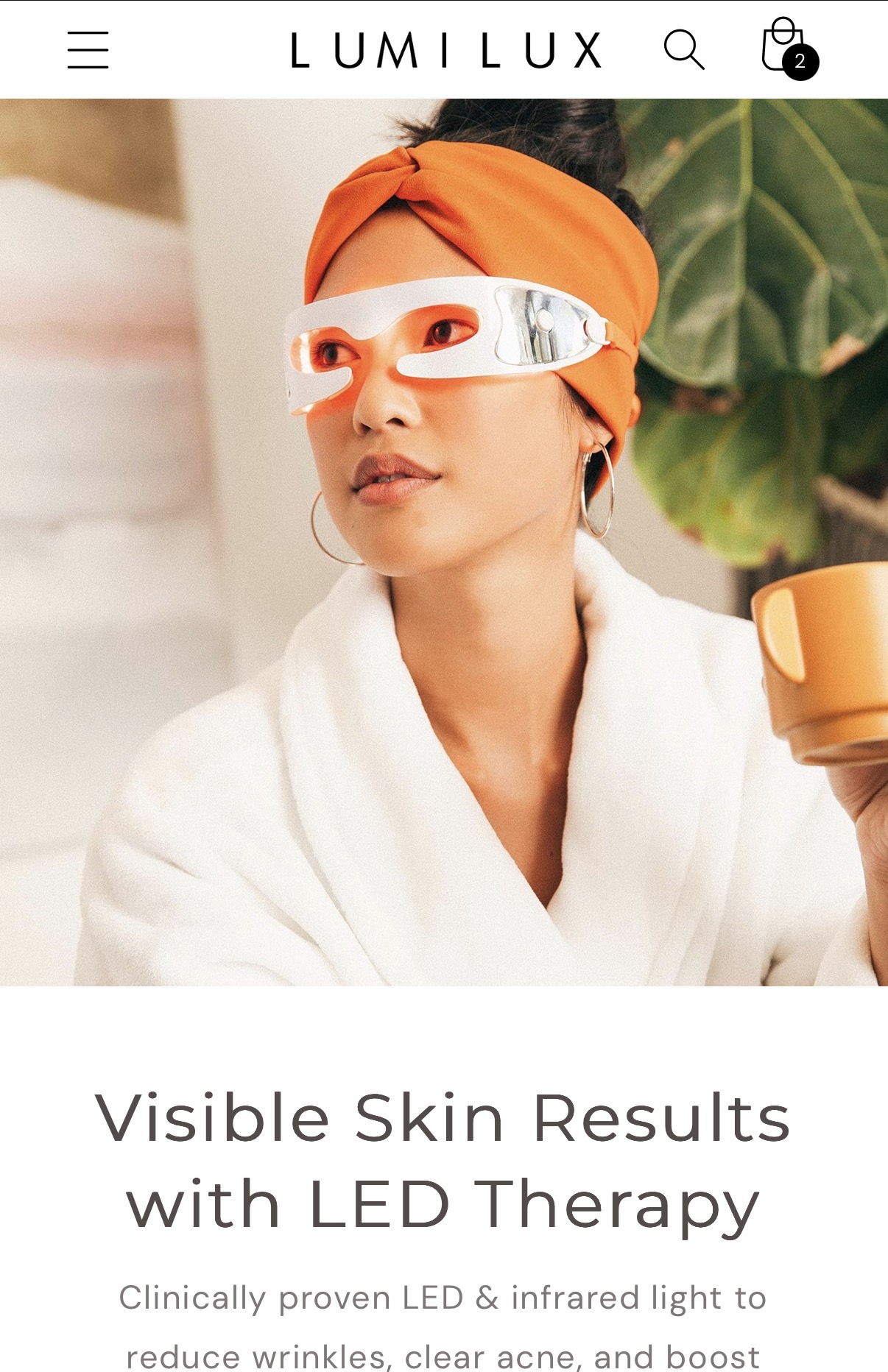
Experience professional-grade treatments conveniently from home with Lumilux. Explore our wide range of PDT LED devices specially designed to deliver targeted skincare benefits and our innovative Massagers to enhance circulation and rejuvenation. Visit Lumilux now and take the first step toward radiant, healthier skin with safe, non-invasive, dermatologist-inspired solutions that fit your personal routine.
Frequently Asked Questions
What is the difference between infrared and LED skincare treatments?
Infrared treatments penetrate deeper into the skin (up to 3-4 mm) and promote cellular repair and regeneration by activating mitochondria, while LED treatments work on the superficial layers (0.5-1 mm) and target specific skin concerns with visible light wavelengths.
How do I choose the right device for my skincare needs?
Consider your specific skin concerns, such as anti-aging, acne management, or pigmentation issues. Match the device’s technology to your needs, for example, infrared devices are ideal for deep tissue renewal, while LED devices can effectively manage surface-level issues.
Are infrared and LED light therapies safe for home use?
Yes, both infrared and LED therapies are non-invasive and have been clinically validated with minimal risks. When used according to manufacturer instructions, these devices are safe and can stimulate natural healing without causing harm.
How often should I use infrared or LED devices for the best results?
Start with shorter treatment sessions and gradually increase the duration as your skin adapts. For best results, consider incorporating treatments into your skincare routine 2-3 times per week, depending on your specific device and skin type.